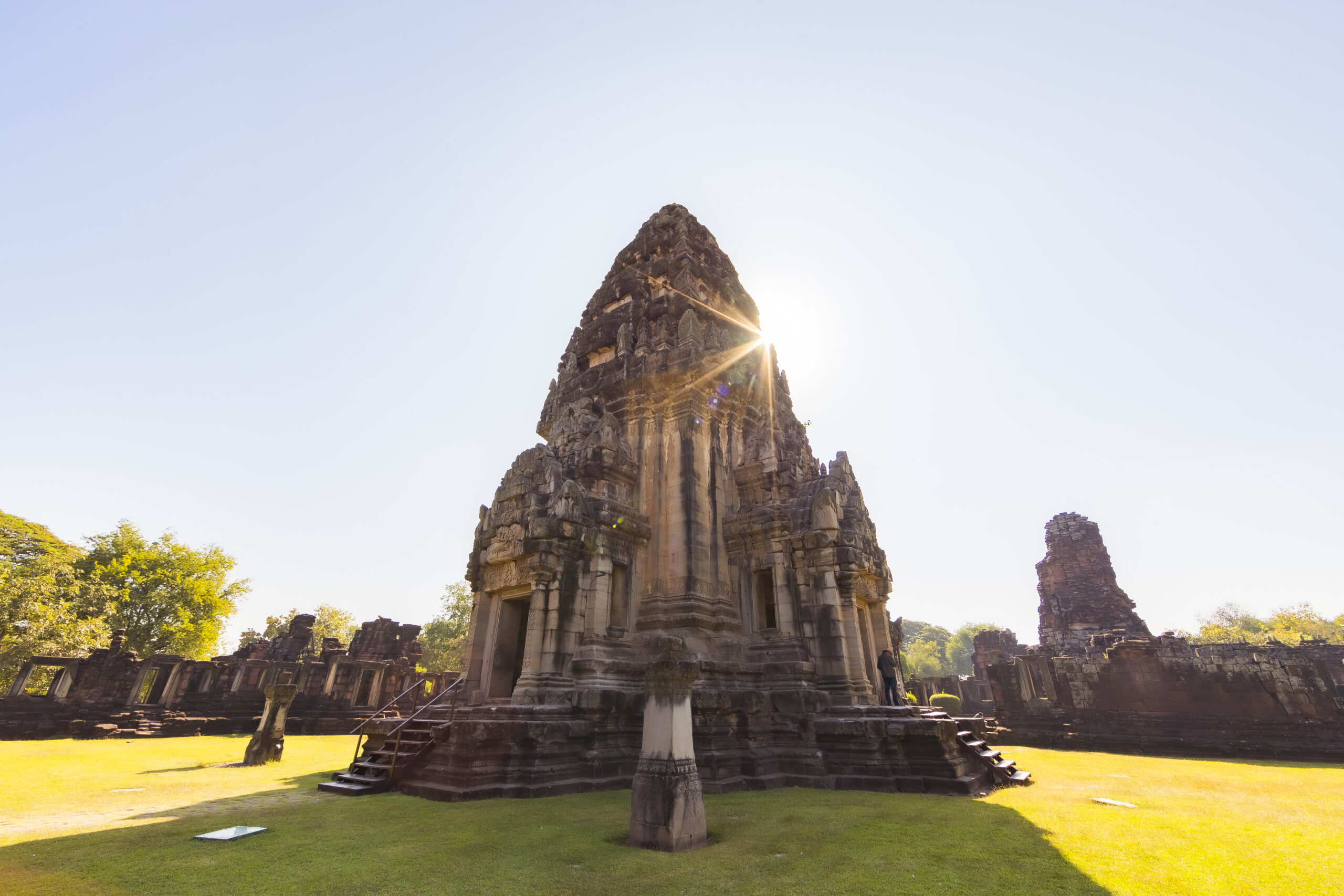
Often referred to as Korat, Nakhon Ratchasima is the gateway to Isaan—Thailand’s northeast—a region rich in history, culture, and unspoiled nature. While many travellers stop at Khao Yai National Park or simply pass through on their way to other destinations, those who stay a little longer are rewarded with ancient Khmer ruins, lush national parks, charming craft villages, and authentic local experiences. I have gathered some of the highlights from my experiences for you here.
Phimai – A Khmer Legacy
Located about an hour northeast of Korat, Phimai Historical Park is home to one of the most important Khmer temple ruins in Thailand.
Visit early in the day before the crowd arrive, to enjoy the temple grounds in peaceful silence. Walk slowly, read the ancient inscriptions, and imagine the lives of those who once built this magnificent city. If you’re planning to take photos, consider coming in the late afternoon when the light is softer and more flattering. The historical park opens every day from 07.30 to 17.30.
Into the Wine in Pak Chong & Into the Wild in Khao Yai
Southwest of Korat lies Pak Chong, a lively town that serves as a gateway to Khao Yai National Park—Thailand’s first and one of its most biodiverse protected areas.
Covering four provinces: Saraburi, Nakhon Ratchasima, Prachinburi, and Nakhon Nayok, the 2,200 sq.km. Khao Yai National Park is a haven for wildlife lovers, offering opportunities to spot elephants, hornbills, deer, and gibbons in their natural habitat. Eco-conscious travellers can enjoy scenic hikes, cascading waterfalls, and clean mountain air while learning about local conservation efforts. The park is also a favourite among mountain bikers and trail runners.
Visitors can stay overnight at the national park’s accommodations by booking through its website or in person at the visitor centre if it is not already fully booked. Most visitors stay nearby and visit the park on a daytrip. The park opens daily between 06.00 – 18.00. While you don’t need a car to get to and tour around the park, it’s much easier if you rent one.
For information how to get to Khao Yai National Park, click here.
You can reserve a time slot to join the night safari at Khao Yai Visitor Centre before 18.00hr. It is not allowed to take your car to see animals at night. The park organises a high bed pick-up truck with a ranger and high powered flashlights to see the animals, while also giving knowledge about the flora and fauna in the area. The journey is 10km and takes about an hour, with two time slots each day, 19.00-20.00 and 20.00-21.00. More information, please check here.
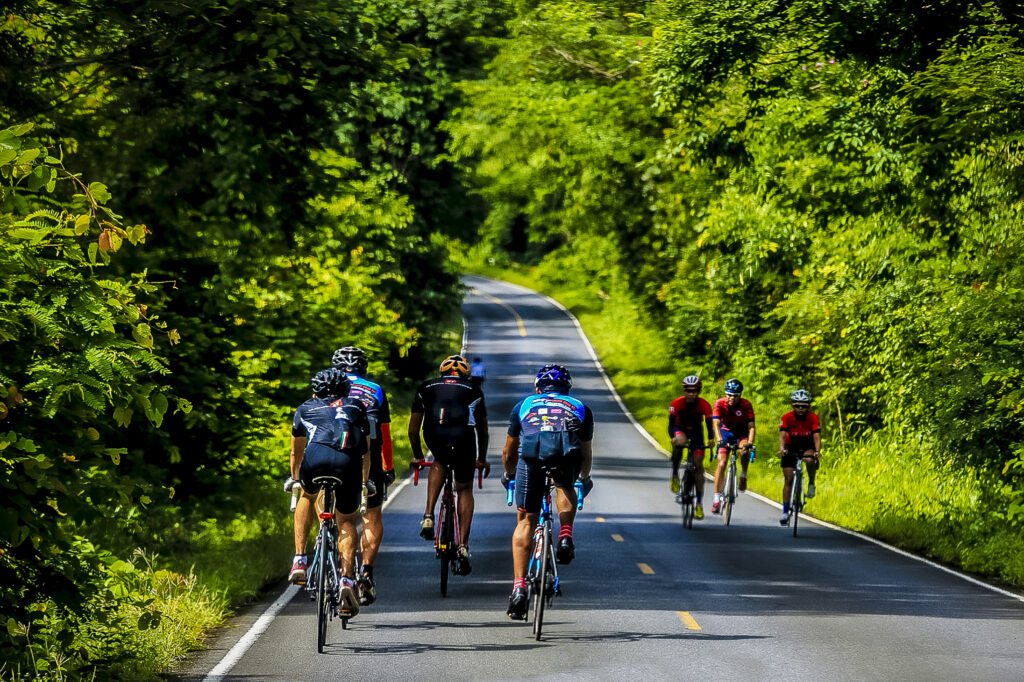
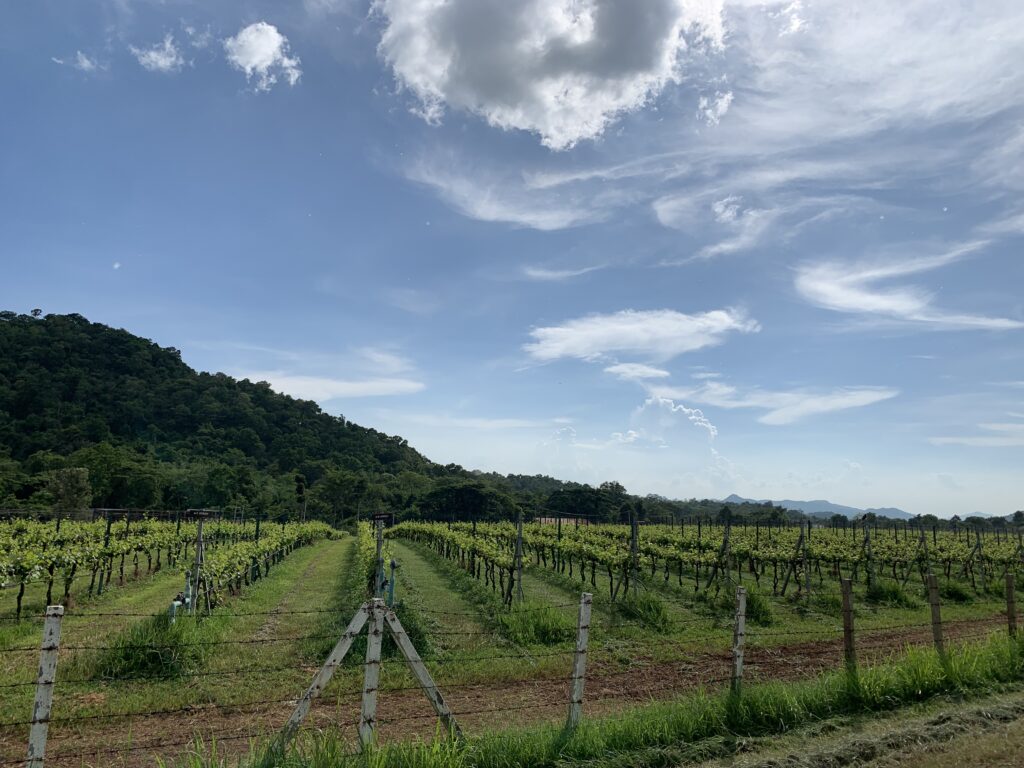
Beyond the park, Pak Chong is emerging as a popular spot for Bangkok residents seeking escapes on weekends and public holidays. Think organic farms, vineyards, forest temples, and meditation retreats … If you want to experience a more serene and relaxing atmosphere, come on weekdays.
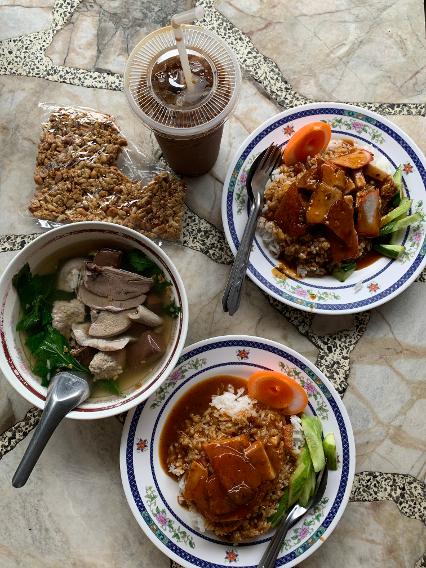
What my family and I do in Pak Chong?
I have to confess that Pak Chong for my family is a food destination. When we are in Pak Chong, we mainly eat and do some sightseeing.
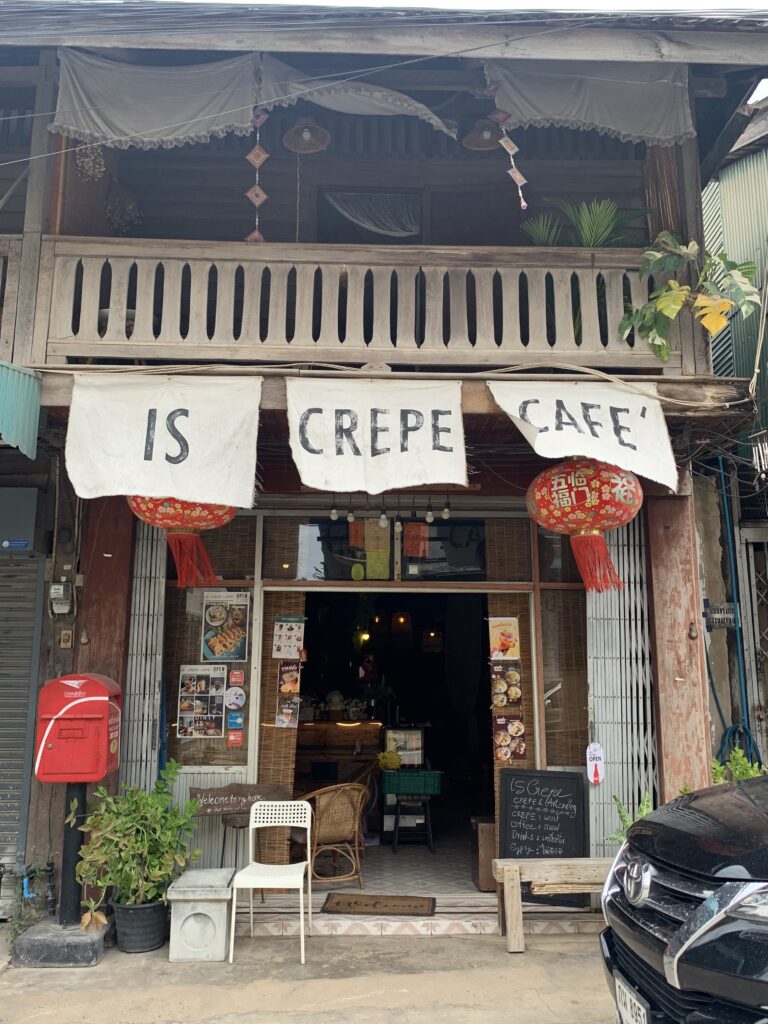
We usually have lunch at Supan Cha Siu pork rice, buy Kraya Sart (I called it Thai musli bar …) from a small coffee shop across the road and buy some Thai desserts at Lung Lert Kanom Thai along Sathani Rotfai road near Pak Chong train station. Coffee at Is Crepe cafe around the corner is also very nice. Jae Huang on Mittrapab road sells the best crispy pork and pork floss, which are some of the most popular local delicacies of Pak Chong. Another place we always eat is Krua Khao Yai on Thanaratch road. If we stop here, we always cross the road to buy some banana fritters at Sukhothai Banana Fritter shop. This place can be very crowded on weekends and public holidays. In the evening, Pak Chong Night Market is a good place to grab ready to eat takeaways. Another good Thai restaurant recommended to us by a relative who has moved to Khao Yai after his retirement is Big Mount restaurant. Not far from there located two biggest local wineries GranMonte and PB Valley. Both wineries have nice restaurants and cafes too. Lastly, on our drive back to Bangkok, my family always stop at roadside stalls to buy fresh local produce such as sweetcorn, tomatoes and any fruits in season. They are always fresh and very cheap.
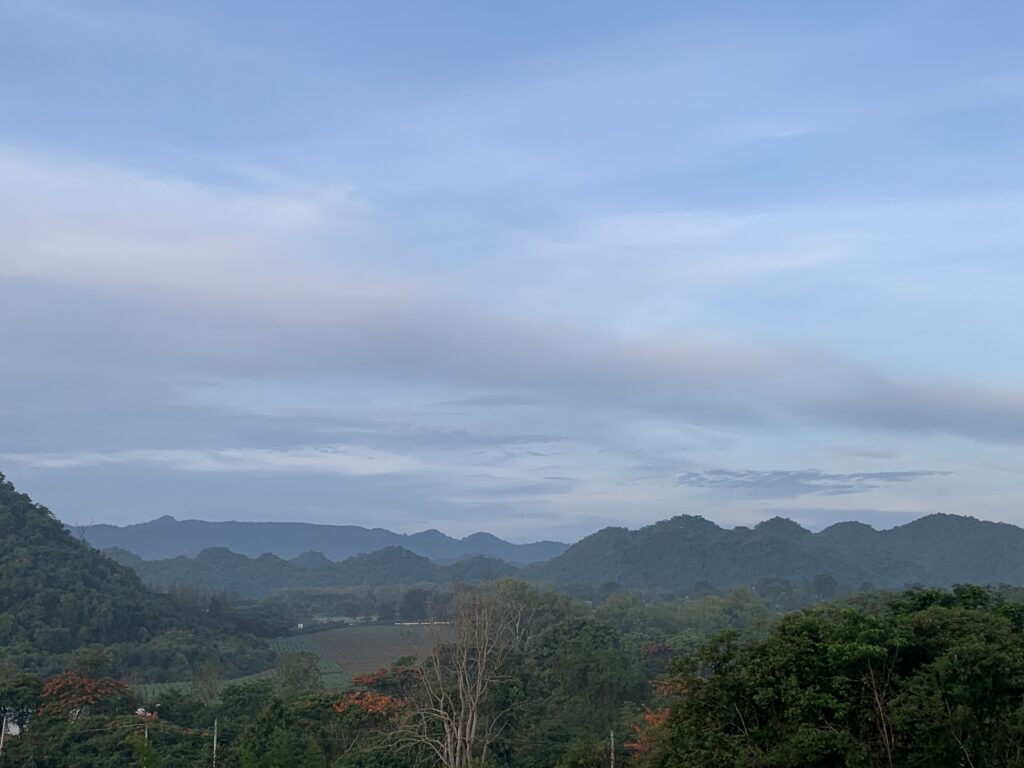
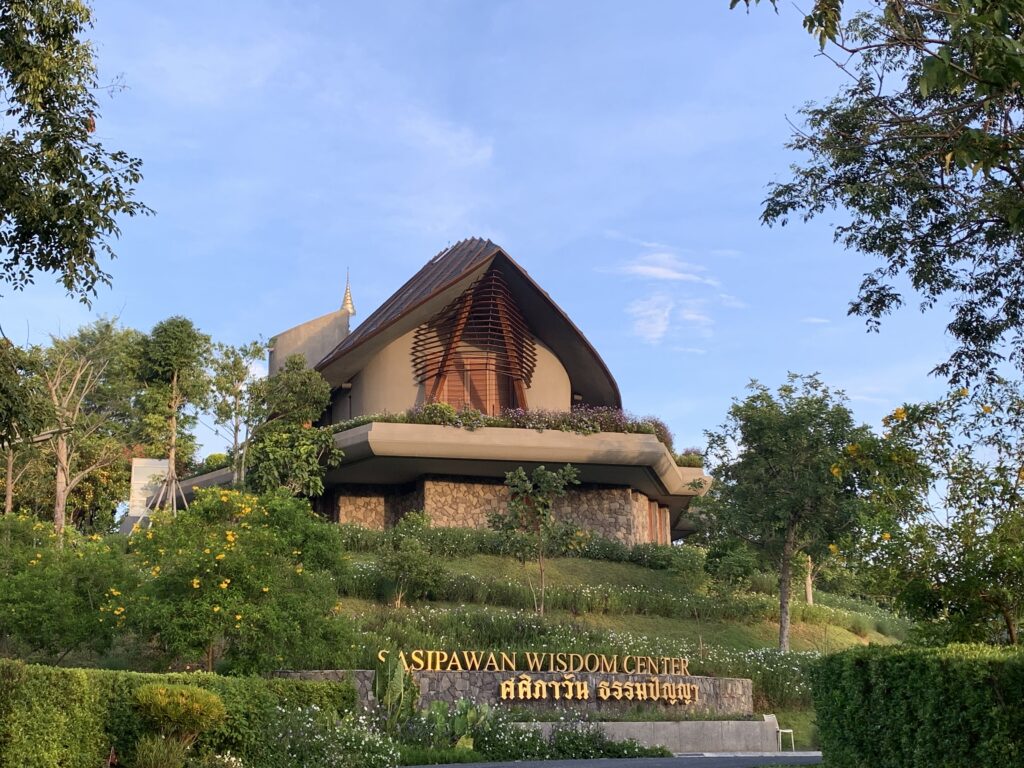
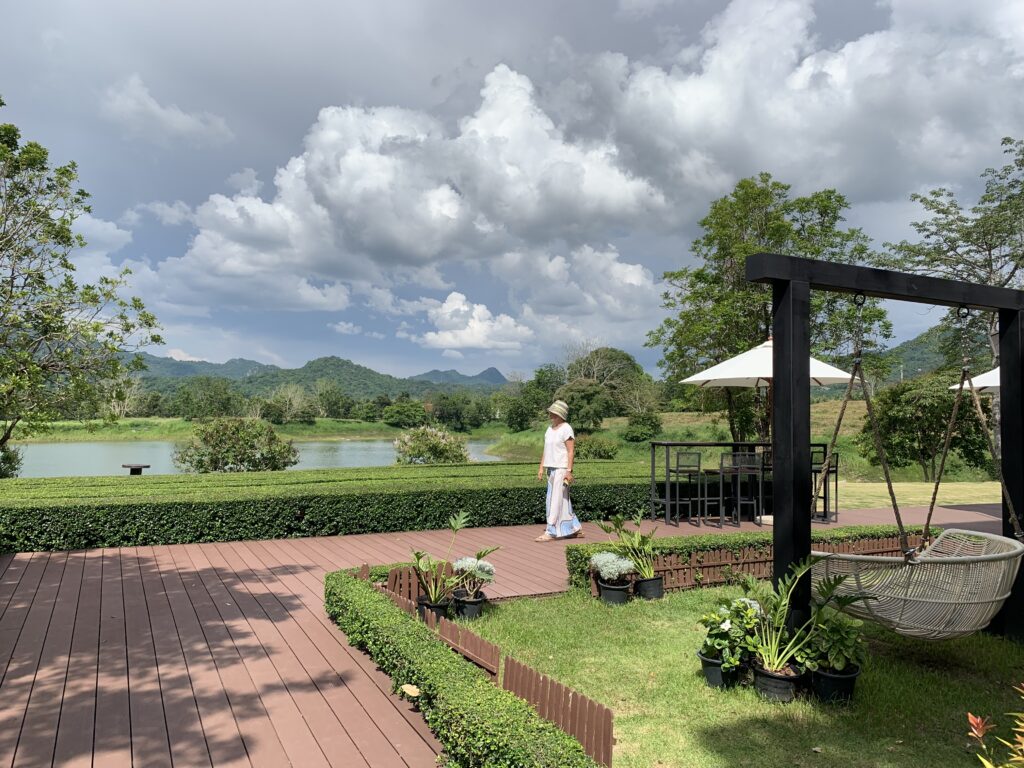
When I go to Pak Chong with my family, sometimes we would stop at one of the local temples to make merit to our relatives who already passed away. When I go with my friends, we normally just buy fresh produce to cook ourselves and spend time together doing nothing in particular.
The Silk of Pak Thong Chai & The Pottery of Dan Kwian
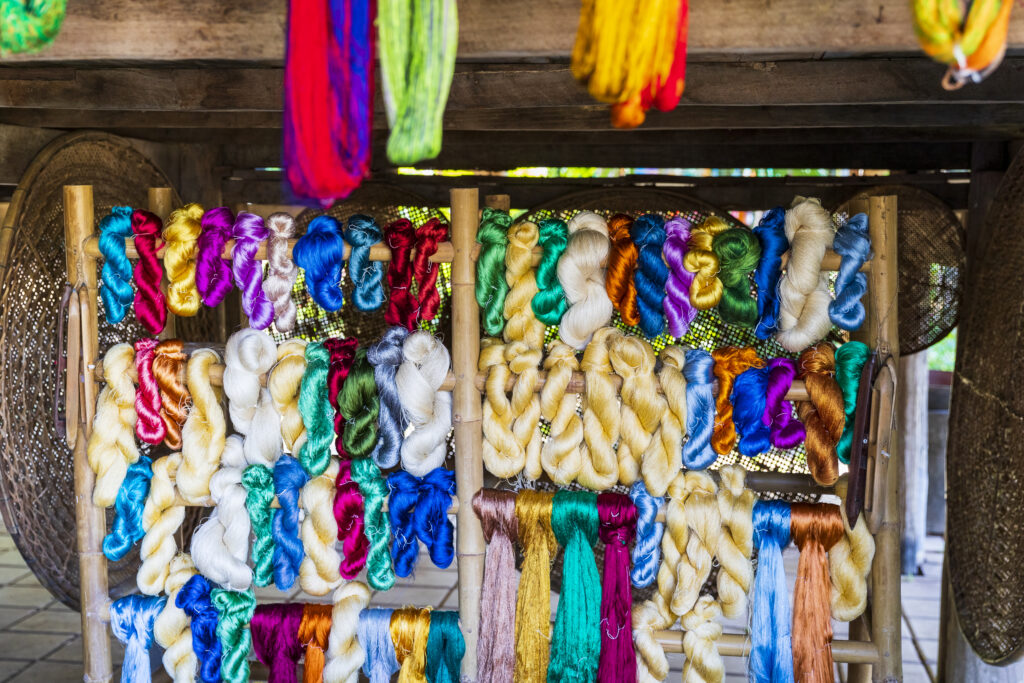
For a quieter, off-the-radar experience, head further to Pak Thong Chai, a district celebrated for its traditional silk weaving heritage. The silk here is among the finest in Thailand, crafted using centuries-old techniques passed down through generations.
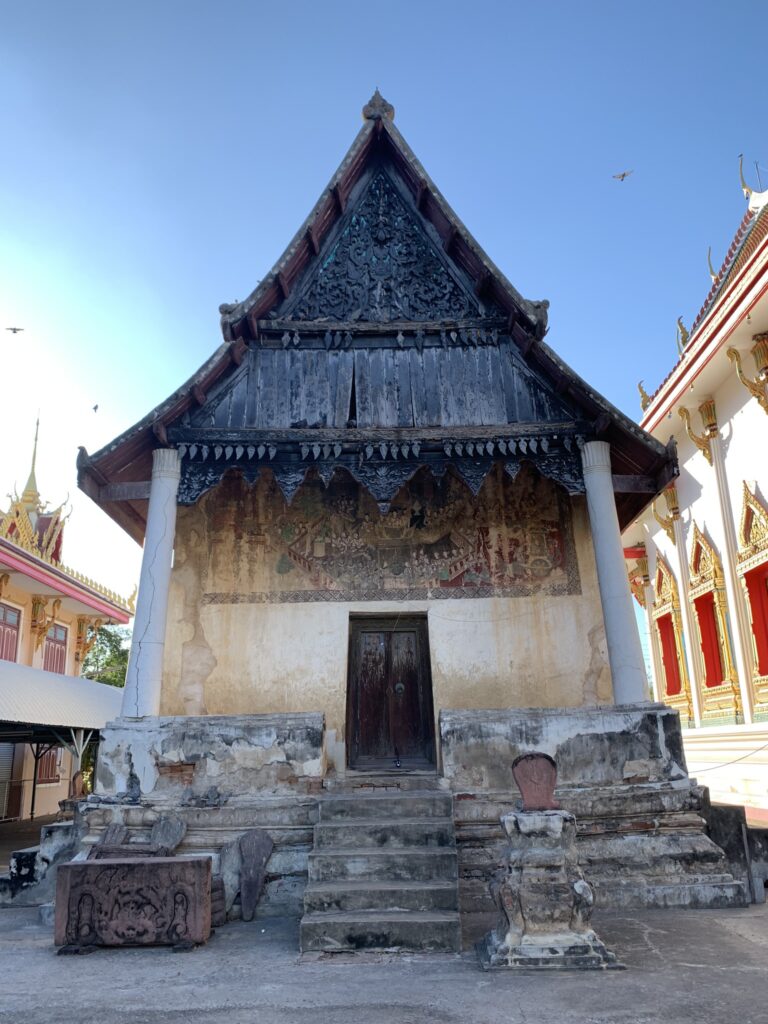
I accidentally discovered a few beautiful ancient temples in this area – Wat Pathum Khongkha (Wat Nok Ok) and Wat Na Phra That (Wat Taku). Despite the rundown condition, the wall and ceiling murals and the old main halls are still beautiful.
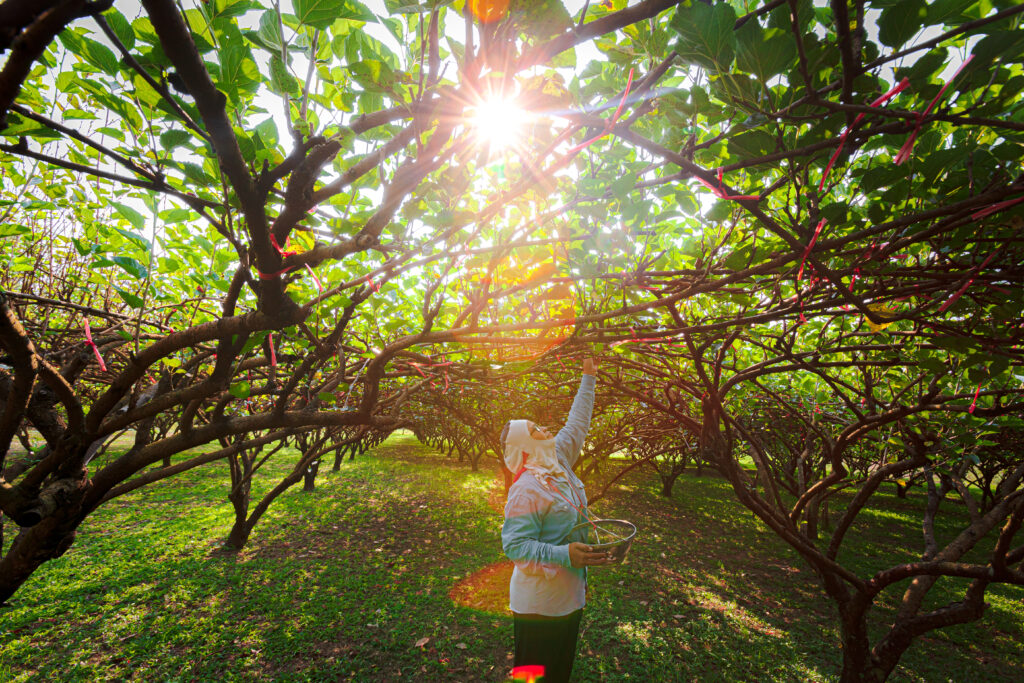
If you visit Pak Thong Chai in December – January, you might want to stop at Jim Thompson Farm. It’s a landscaped flower fields, organic farm and openair museum owned and managed by Jim Thompson, the famous Thai silk brand. The place normally only opens to visitors in December – January with exact dates to be announced on their website closer to the opening date. It showcases silk production and local handicraft demonstrations, local culture, organic farming and traditional northeastern-style architecture.
While Pak Thong Chai is known for its silk, the neighboring Dan Kwian is known for its pottery. The name literally means “toll station for oxcarts” (dan = checkpoint, kwian = oxcart). Pottery production in the area is said to have started around 1740 using river clay to make functional earthenware for daily use such as pots, mortars and basins. It’s probably from 1970s that they started making decorative ware. Nowadays despite the depletion of natural clay resources, the village remains a hub for pottery making.
Wellness in Wang Nam Khiao
Often dubbed the “Switzerland of Isaan,” Wang Nam Khiao is a tranquil highland district known for its flower fields, organic gardens, and peaceful mountain resorts. It’s the perfect destination for those looking to unwind, breathe deeply, and soak in stunning natural scenery.
Many resorts here focus on agro-tourism and wellness, offering herbal steam baths, forest walks, and meals made from freshly harvested, organic ingredients. There are also many meditation retreat centres around here.
Some Final Words
Nakhon Ratchasima is not only geographically significant as a gateway to the northeastern region, but it also attracts all types of both domestic and international visitors to its rich history, natural beauty, local handicrafts, local cuisine, wellness and meditation centres and bustling markets. Some people come here for hiking, bird watching. Some (including me) come to enjoy time with family and friends. Some come to do nothing.
Pak Chong and Khao Yai are popular for domestic visitors, especially as a weekend getaway for Bangkok residents. They are still underrated by international visitors. This can be a good thing if you are looking for a more relaxing destination than the popular Phuket, Ko Samui, Bangkok and Chiang Mai.