Tag: #thailandwellness

  • Why the 100th Years Old Lumpini Park in Bangkok is More Than Just a Park

    Lumpini Park is Bangkok’s first public park and one of its most important urban landmarks, but its significance goes far beyond being a green space for sports and recreation. The park has celebrated its 100th anniversary in 2025.
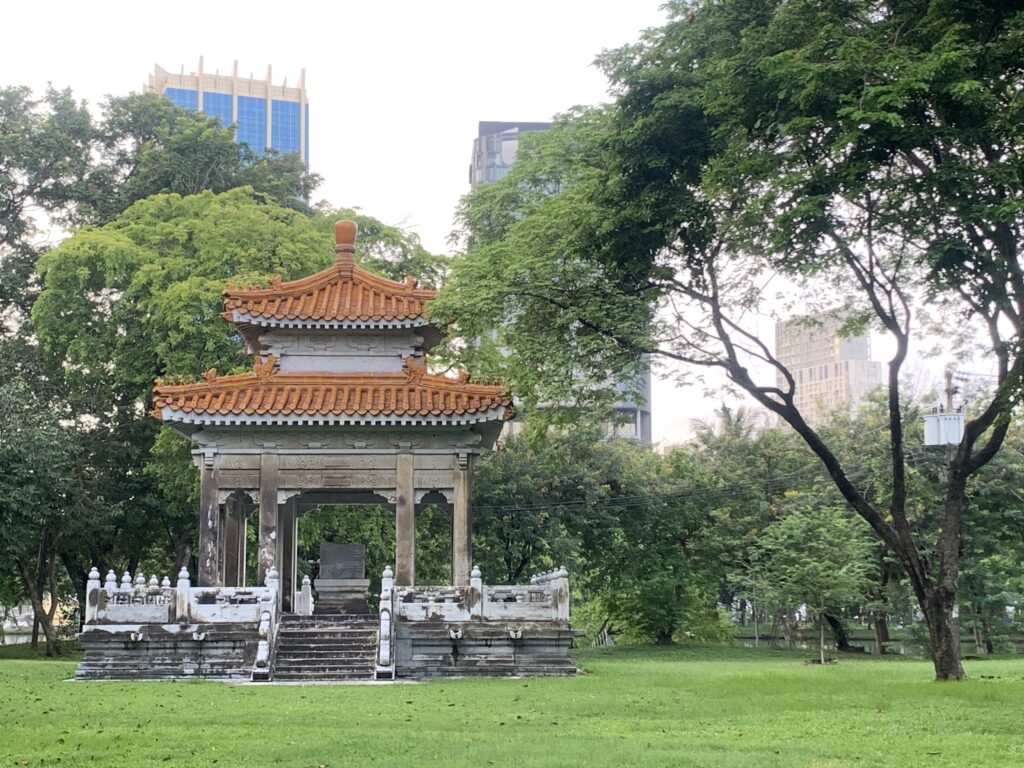
    Historical and cultural roots

    Founded in the early 1920s on royal land donated by King Rama VI, Lumpini was envisioned as a modern, accessible public space for citizens of all ages. Its name comes from the Buddha’s birthplace in Nepal.
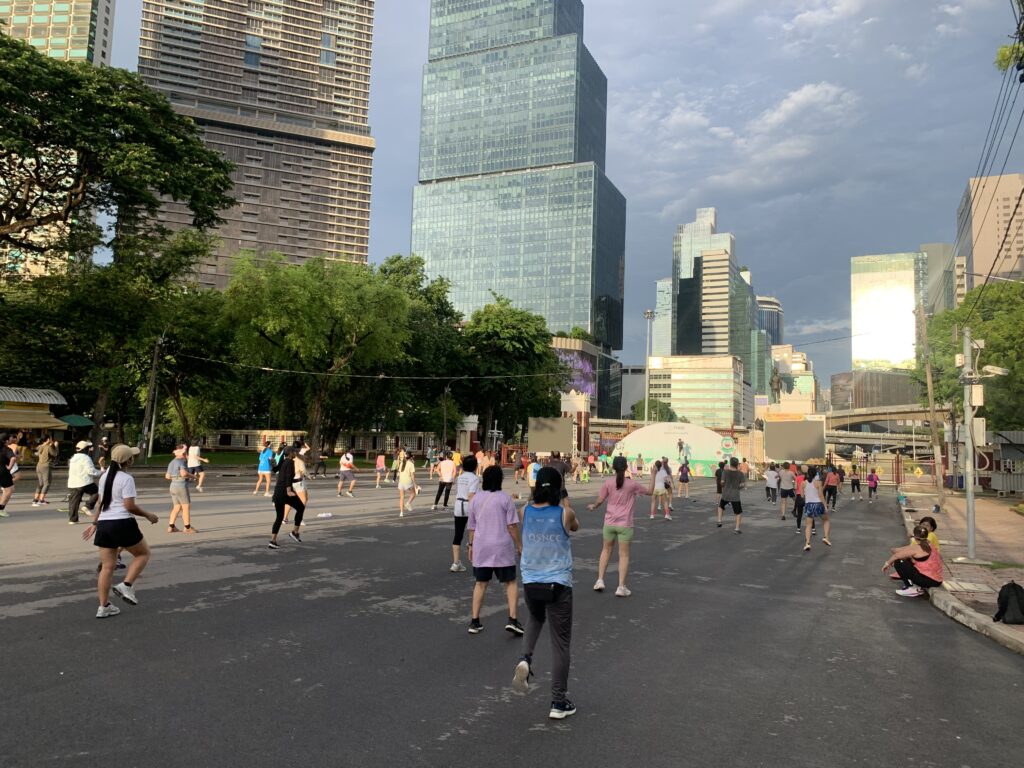
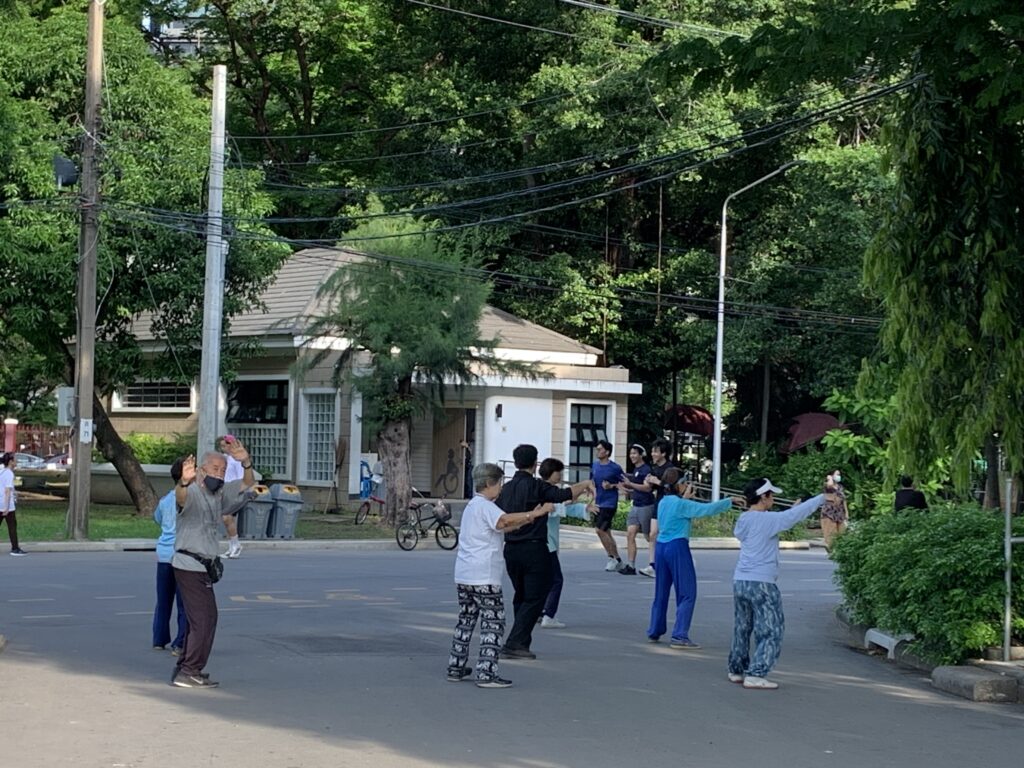
    There are free morning and evening aerobic exercises at Lumpini Park near the main entrance close to the statue of King Rama VI. The morning ones are simpler, while the evening ones are more advance.
    I was told this Tai Chi group has been here for decades.

    What to do at Lumpini Park

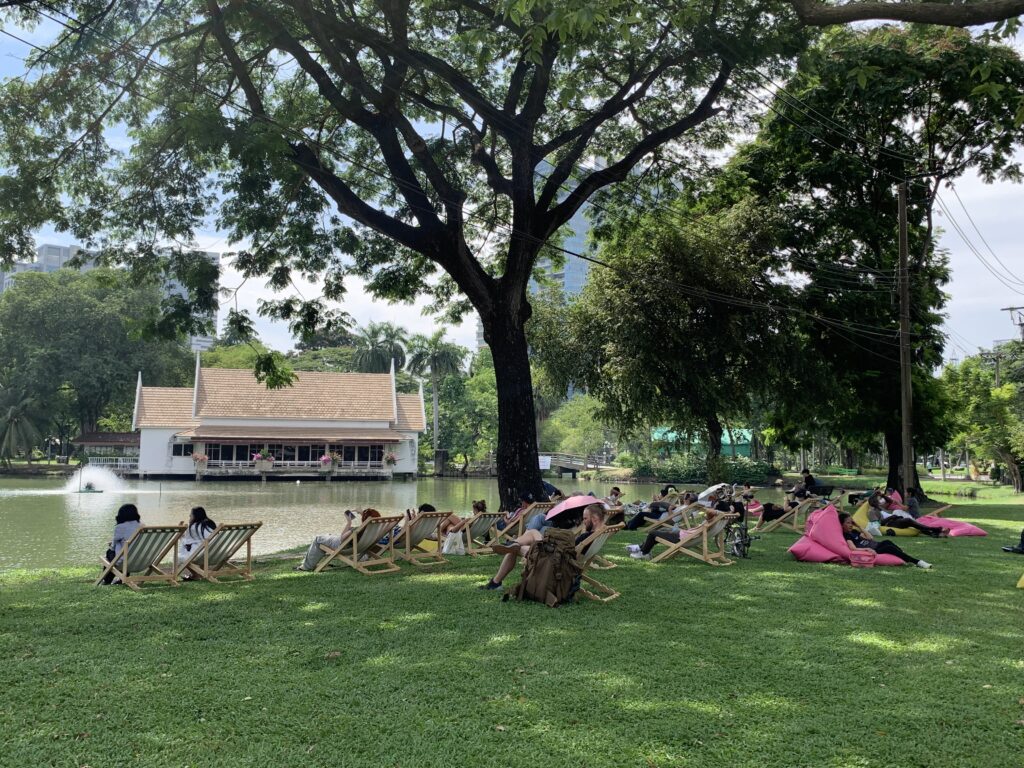
    Surrounded by skyscrapers of Silom and Chidlom and busy Ratchadamri, Witthayu (formerly called Wireless) and Rama IV roads, the park today offers rare open greenery in one of Asia’s most densely built and populated capitals, serving as a “green lung” for residents and visitors. It has been a place for exercises (running, yoga, aerobic dance, Tai Chi), picnics, meditation, social gatherings, concerts and festivals. Some of these activities are free, some are with small fees. There are free exercise equipment, playgrounds, toilets and lockers around the park. It’s also home to hundreds of iconic water lizards, cats, and duck‑ and swan-shaped spinning boats. These boats are free of charge to use and life vests are provided.
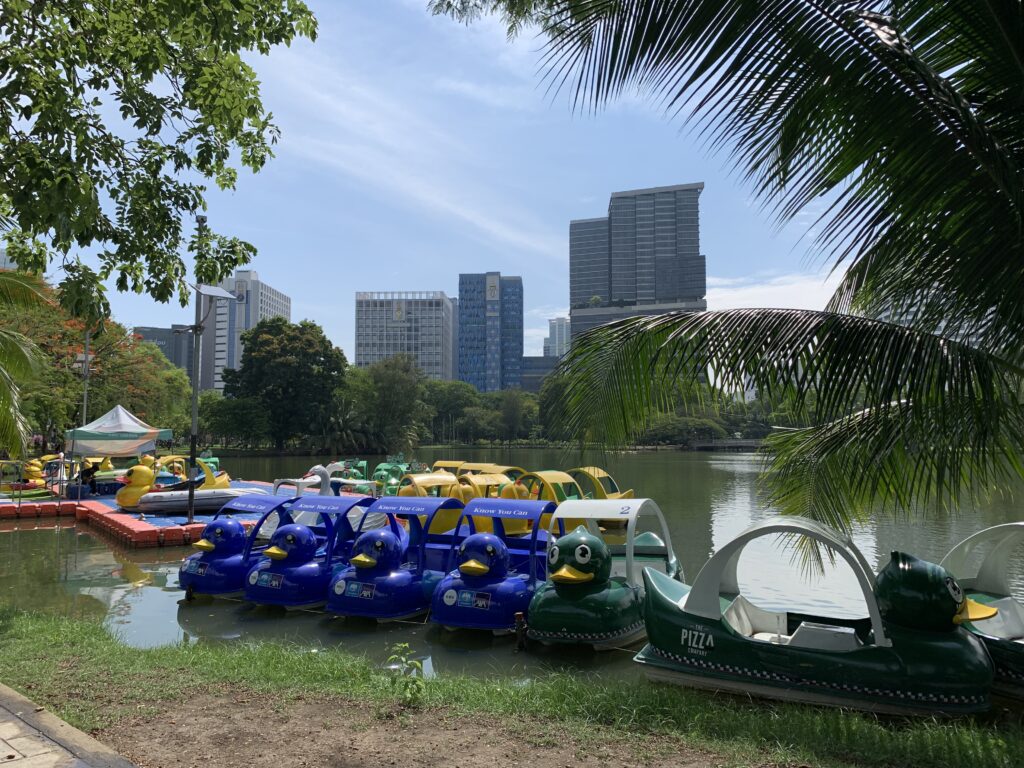
    Visitors to Lumpini Park can use duck-shaped spinning boats free of charge. Life vests are also provided.
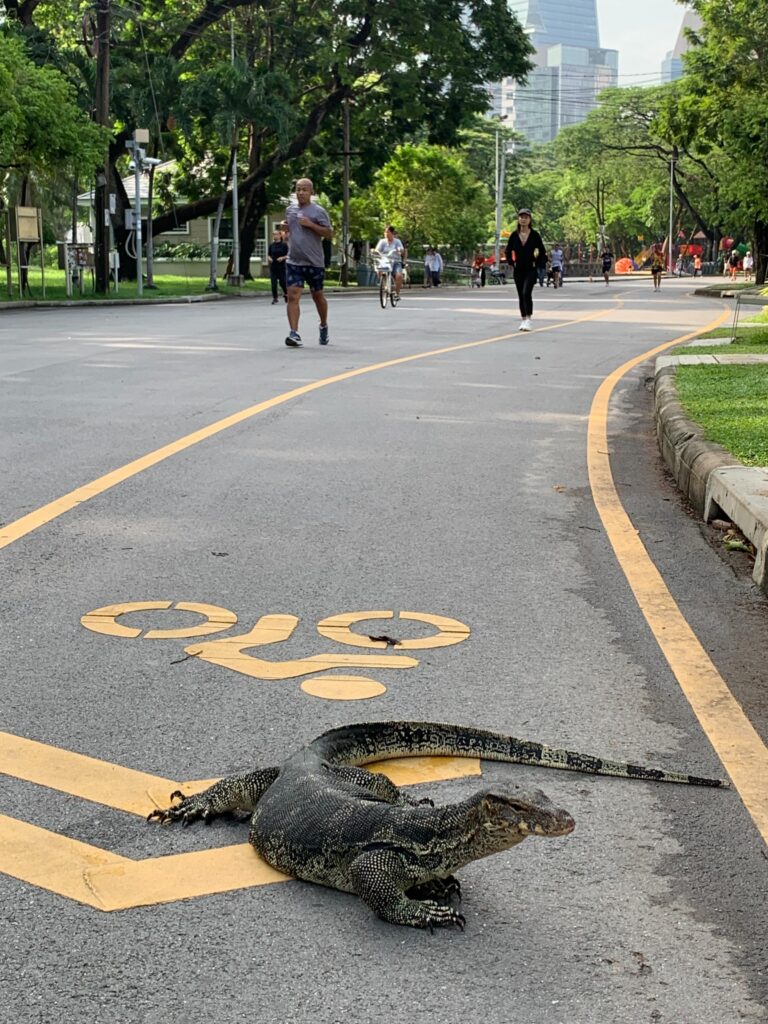
    Water lizards can be seen roaming around Lumpini Park during the day. This one seems to take the wrong lane …
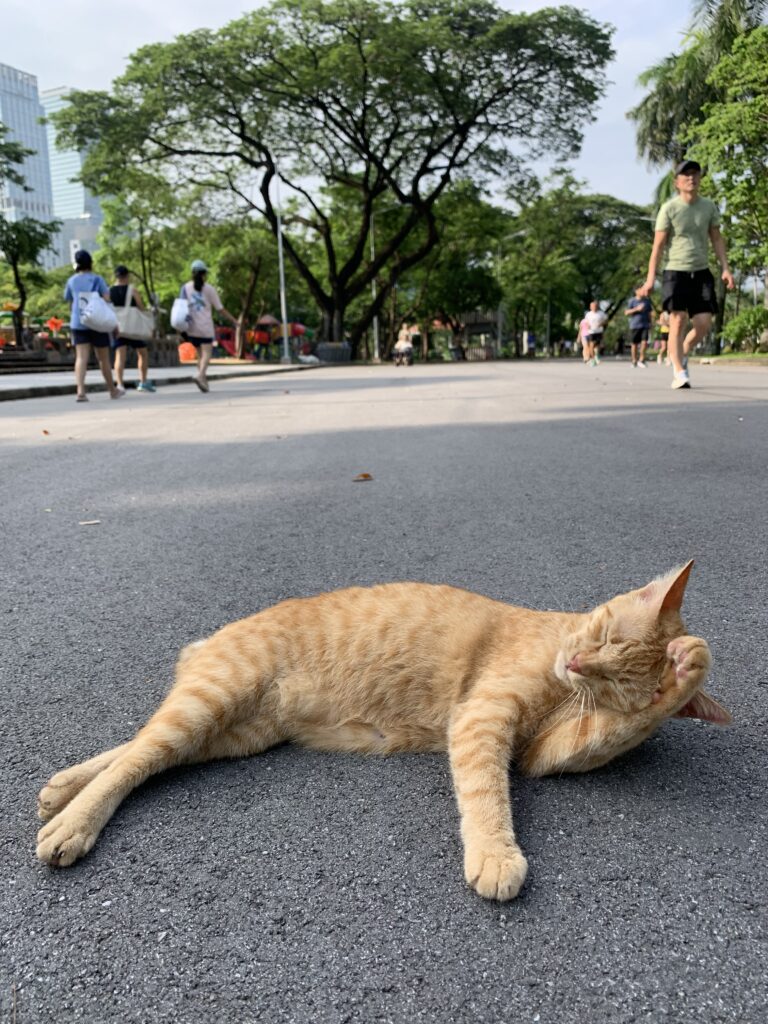
    I was told this orange cat is one of the celebrity cats of Lumpini Park.
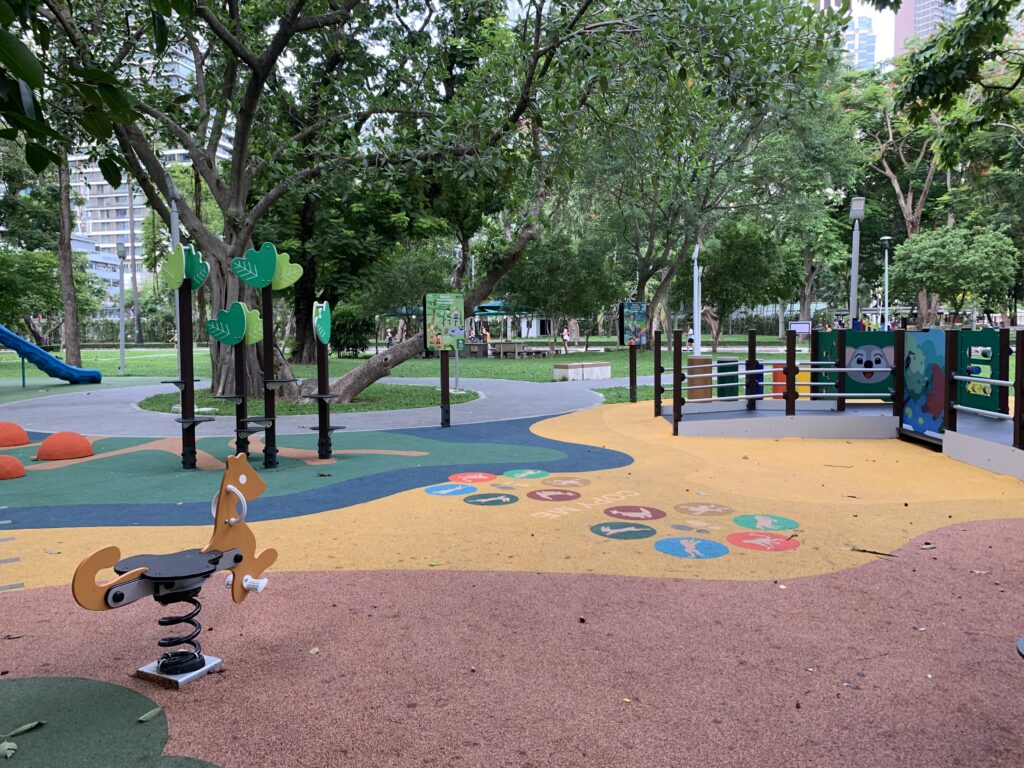
    An Australian-themed playground sponsored by the Australian Embassy Bangkok across the road from Lumpini Park

    How to get to Lumpini Park

    The park has some parking spaces with small parking fees, but the road traffics around the park are usually heavy, so I won’t suggest you come by car, neither taxi. Taking MRT (MRT stands for Mass Rapid Transit.) metro is the most convenient way to get here. There are two MRT stations right next to the park: Silom and Lumpini Stations. You can also take BTS (BTS stands for Bangkok Mass Transit System.) sky train and get off at Sala Daeng BTS Station.

    The park opens daily from 4.30 – 22.00.
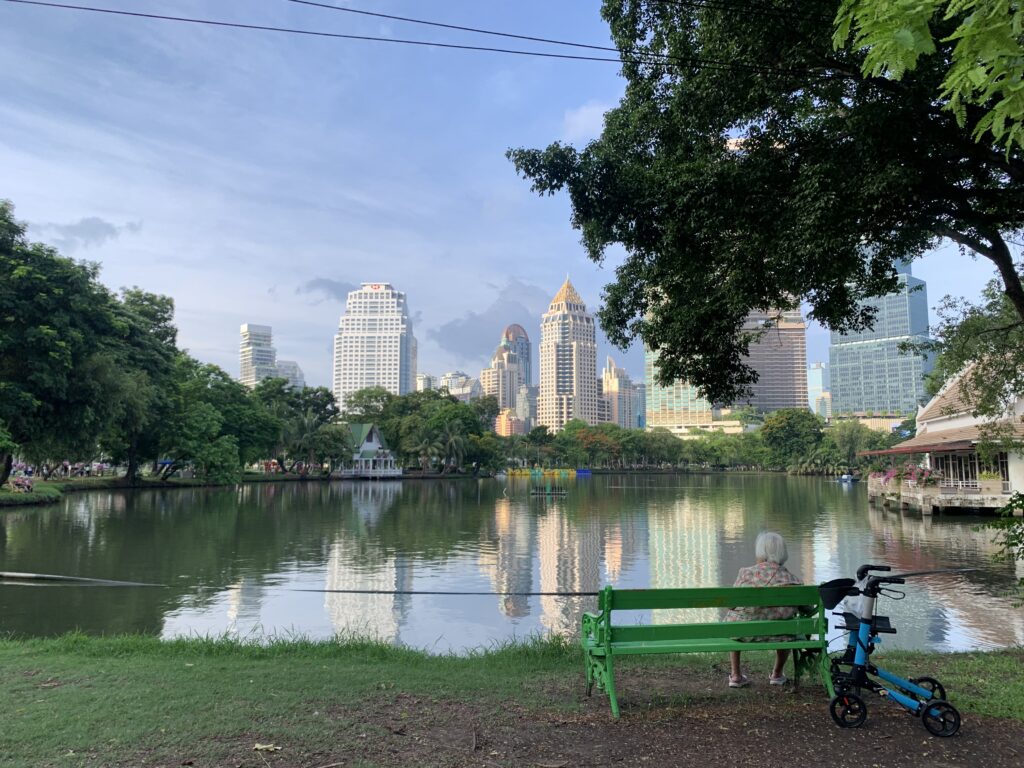
    An elderly lady having a rest by the pond at Lumpini Park

    Useful things to know

    There’s a decent sized food hawker at the corner of Ratchadamri and Sarasin roads. I would usually go there after my morning walks and yoga classes. Fresh fruits are cheap and all the ready to eat food I’ve tried were delicious, especially the BBQ pork skewers at the far end near Sarasin Road.
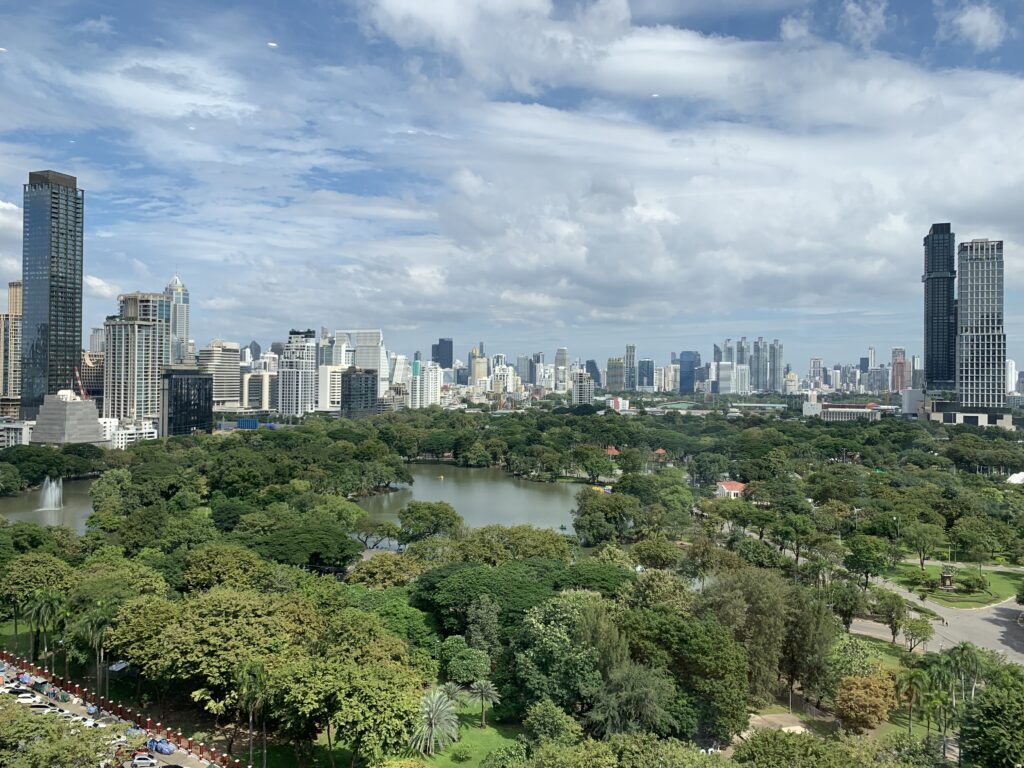
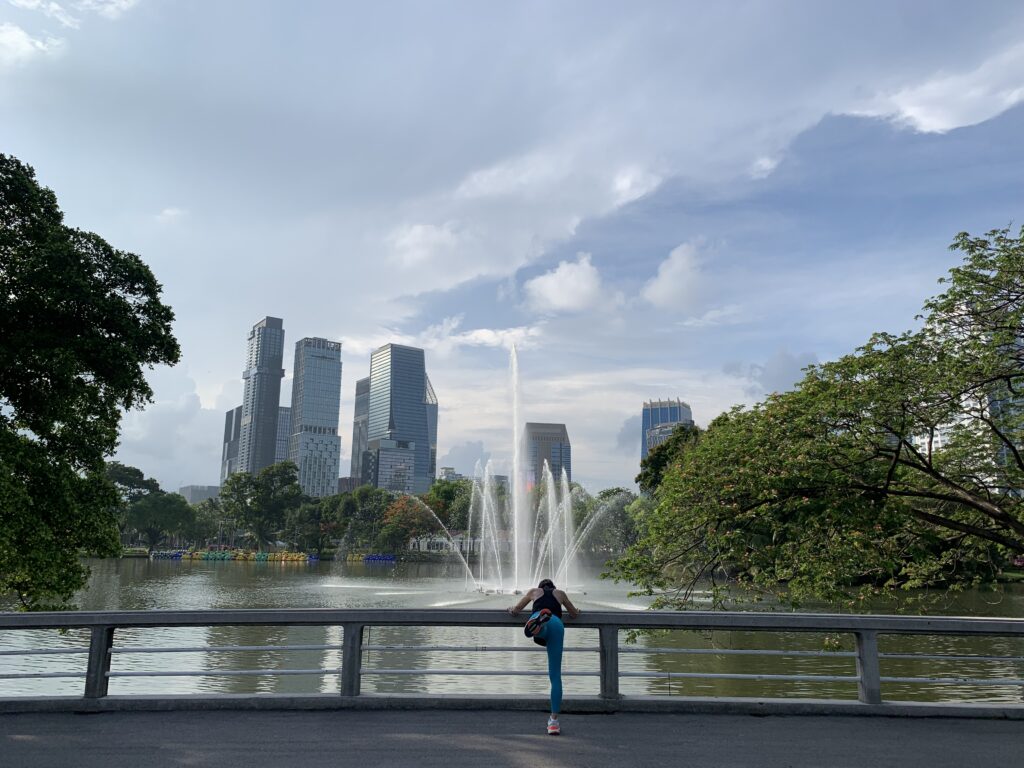
    A view of Lumpini Park taken from Chulalongkorn Hospital across the road
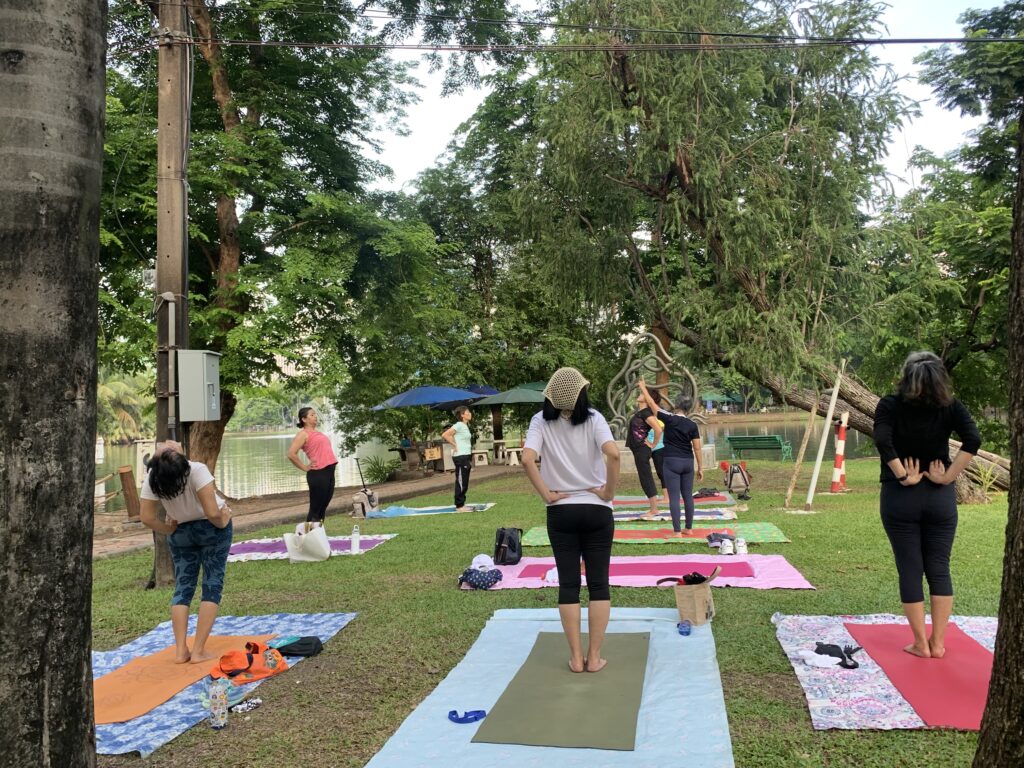
    A morning yoga class I joined while I was in Bangkok in May 2026. You can find them next to the water lizard sculpture in the morning, 7.00-8.00am. If you would like to join them, simply ask and you can join with a small fee.

    Alcohol drinking, smoking, gambling and drone flying are not allowed inside the park.

    #lumpinipark #bangkok #bangkokparks #freethingstodoinbangkok #bangkokcats #bangkokwaterlizards

    For information about other public parks in Bangkok, read Green Escapes in the City: Exploring Bangkok’s Best Public Parks – Mindful Travel in Thailand.
  • Mindful Journey in Thailand – White Lotus Edition

    Whether you’re a fan of The White Lotus or not, you must have heard of the “White Lotus Effect”—how the show sparks global travel trends wherever it’s filmed. With Season 3 set in Thailand and centered around themes of health and mindfulness, it’s no surprise that travellers are now curious about where to stay, where to retreat, and how to experience Thailand in a more meaningful way.

    Plot Highlights from The White Lotus Season 3

    The season opens with a serene meditation session inside a glass pavilion at a luxury resort—abruptly interrupted by the sound of gunshots outside. It’s a dramatic start that sets the tone for what may be the most introspective and wellness-focused season yet. Returning from Season 1 is spa manager Belinda Lindsey, now leading a wellness worker exchange program at the resort. Meanwhile, new characters arrive in search of healing and renewal—from the Ratliff family embarking on a digital detox, to Piper on a journey of self-discovery, to a trio of middle-aged childhood friends indulging in a luxurious retreat to celebrate life’s milestones.

    “Every symbol has a meaning. It’s a collective of unconscious.” – Carl Jung

    A Thought-Provoking Take on Wellness

    While Season 3 has been critiqued as a thought-provoking take on wellness tourism, it also showcases some of Thailand’s most breathtaking destinations—many of which are ideal for mindful travel. Here are the highlights:


    Where to Stay: Mindful Luxury

    Several seaside luxury resorts with peaceful atmospheres serve as the primary settings for the season, including:

    • Four Seasons Resort Koh Samui
    • Anantara Lawana Koh Samui
    • Anantara Bophut Koh Samui
    • Anantara Mai Khao Phuket
    • Rosewood Phuket
    • Cape Panwa Phuket

    These properties offer more than just luxurious accommodation—they emphasis wellness, tranquility, and immersive experiences, making them ideal for mindful travellers seeking calm, clarity, and connection.


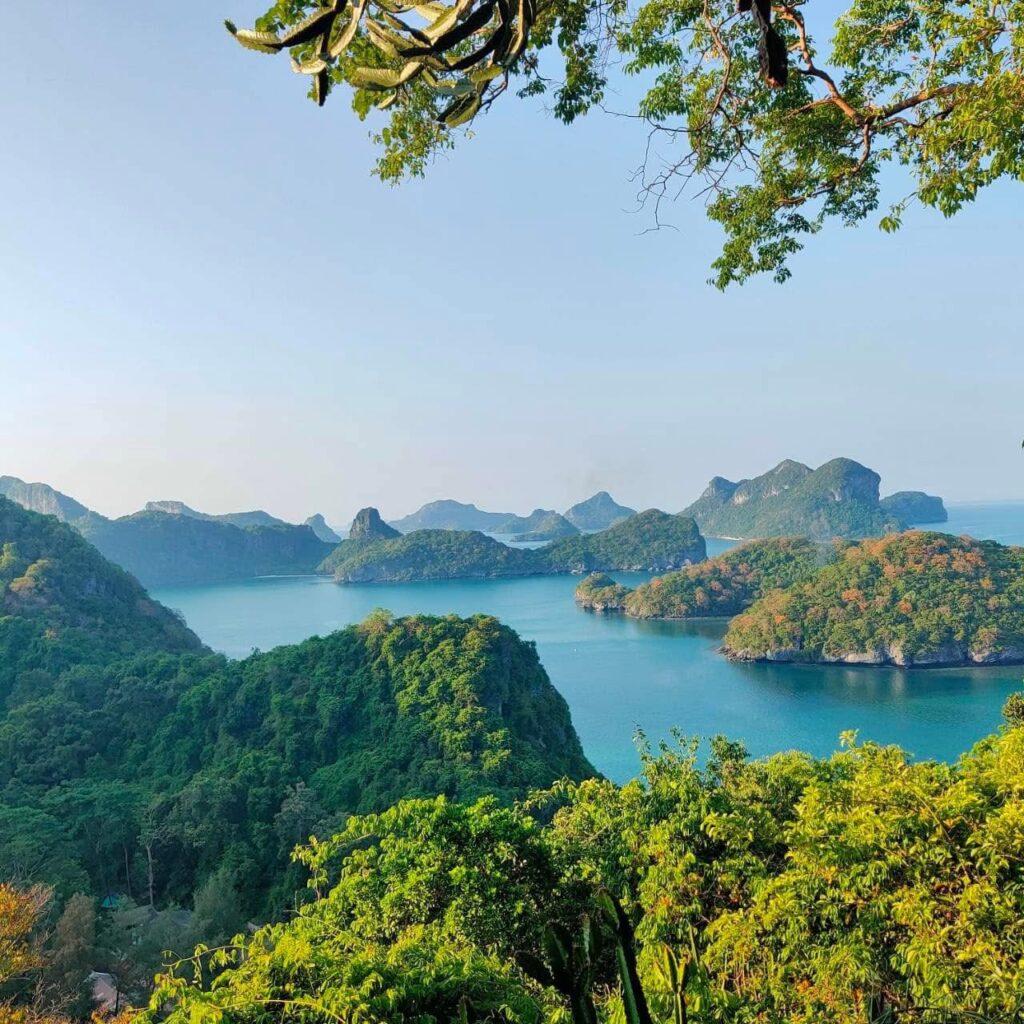
    Mu Koh Angthong Marine Park near Koh Samui

    Beyond the Resorts: Locations for Reflection and Connection

    Mu Koh Angthong Marine Park (Near Koh Samui)
    An archipelago of 42 islands, this protected park is a haven for nature lovers. With its emerald lagoons, limestone cliffs, and secluded beaches, it’s perfect for kayaking, hiking, or simply sitting still and soaking in the beauty of the moment.

    Choeng Mon Beach (Koh Samui)
    A quieter corner of Koh Samui, this beach is ideal for early morning meditation, sunset walks, or a mindful swim in gentle waves.

    Haad Rin Beach (Koh Phangan)
    Though known for its Full Moon Parties, Haad Rin also offers tranquil mornings and stunning sunrises—a reminder of duality and balance. During the day, it becomes a peaceful retreat suitable for mindfulness practices.

    Wat Phu Khao Thong (Golden Mountain Temple), Koh Samui
    Set on a hilltop, this serene Buddhist temple offers panoramic views and a contemplative setting—perfect for meditation and spiritual reflection.

    Dusit Dhewa Cultural Center, Koh Samui
    A lesser-known gem, Dusit Dhewa features a spiritual garden filled with Thai, Khmer, and Burmese-inspired statues and structures. Ideal for slow, thoughtful walks and quiet exploration, it’s a place that inspires introspection and appreciation for cultural beauty.


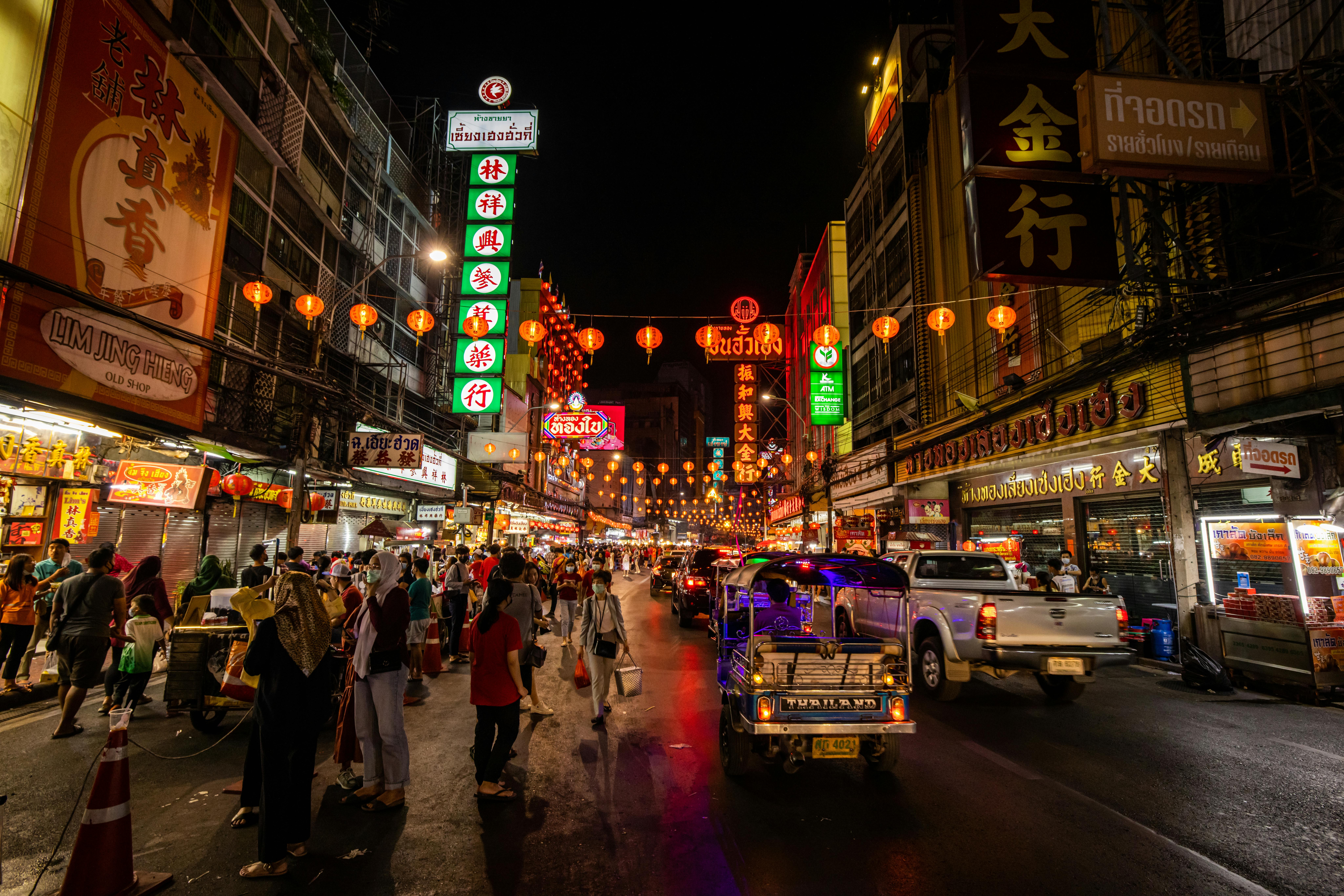
    Yaowarat

    Scenes in Bangkok:

    Bangkok also plays a role in the series, with several visually striking scenes filmed at spiritual and cultural landmarks:

    • Yaowarat Road (Chinatown)
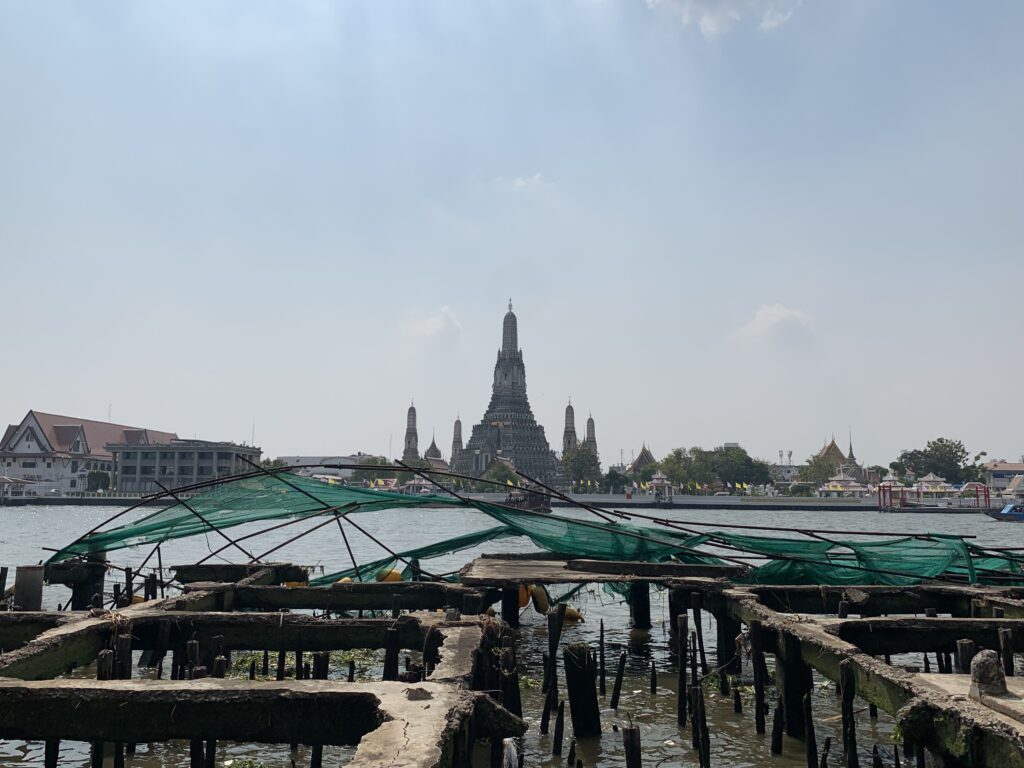
    • Wat Pho Pier and Chao Phraya River, with Wat Arun in the background
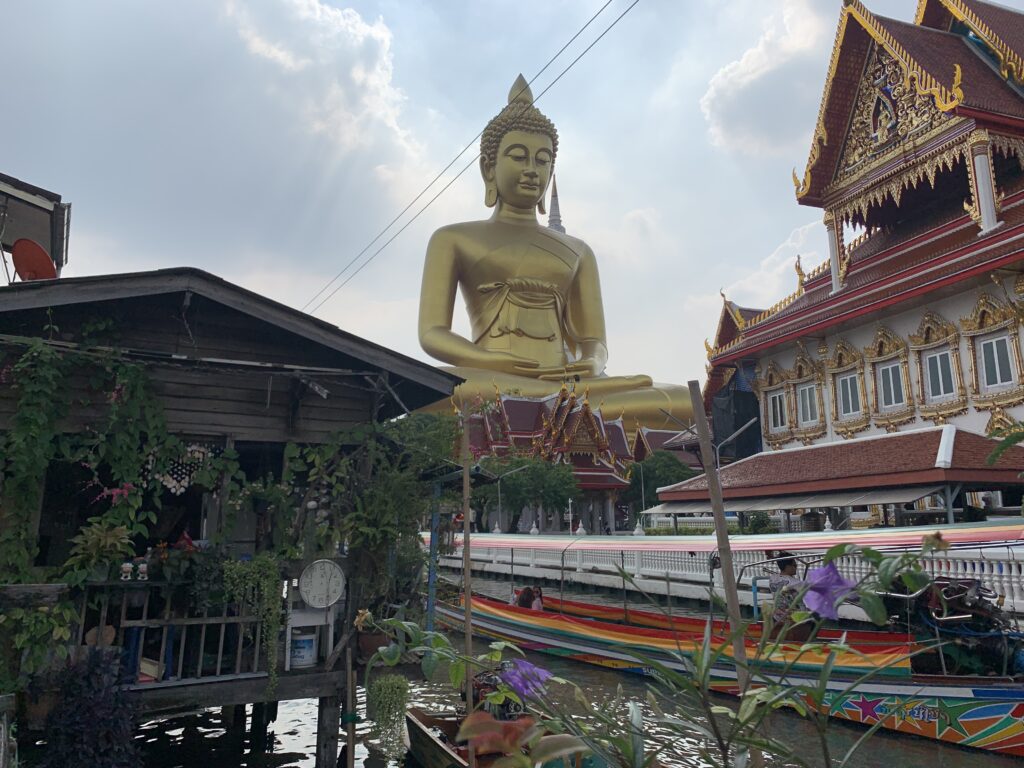
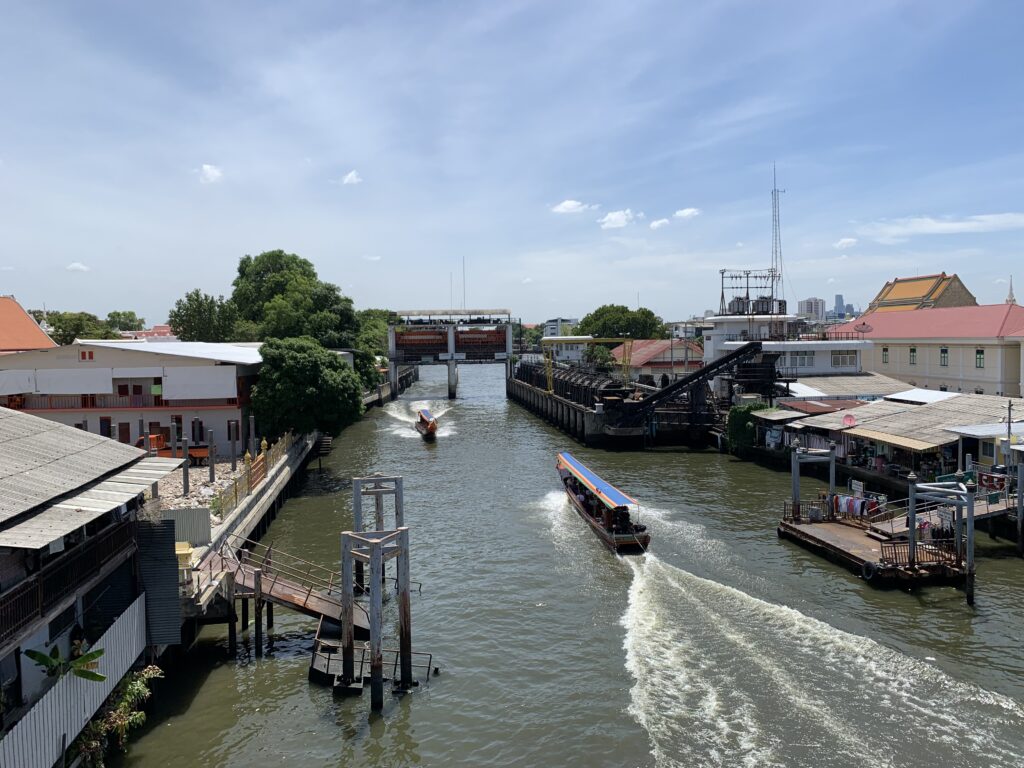
    • The canals of Thonburi, offering a slower, more traditional pace of life and Wat Paknam Phasi Charoen, home to the giant Buddha
    • Murals at Wat Suthat and Wat Suwannaram, featured in the show’s opening credits
    Wat Paknam Phasi Charoen in Bangkok
    The canals of Thonburi in Bangkok
    Wat Arun, taken from Wat Pho Pier

    Themes of Wellness and Spirituality

    Throughout the season, yoga, meditation, and monk chats are referenced and shown. These moments highlight Thailand’s long-standing traditions of holistic healing, spiritual guidance, and inner balance—making the country a perfect setting for mindful travel.


    The White Lotus challenges the notion that wellness is merely about luxury, self-pampering, beauty treatments, or physical health. Through sharp storytelling, it shows that true well-being stems from emotional awareness, mental resilience, authentic connections, and confronting one’s inner truths. While the show is fictional, the places it highlights are very real—and offer transformative experiences for travellers seeking to slow down, reconnect, and embrace the present moment. It’s a powerful reminder that real self-care begins within.

    Have you watched Season 3 of The White Lotus? Have you caught the “White Lotus Effect”?