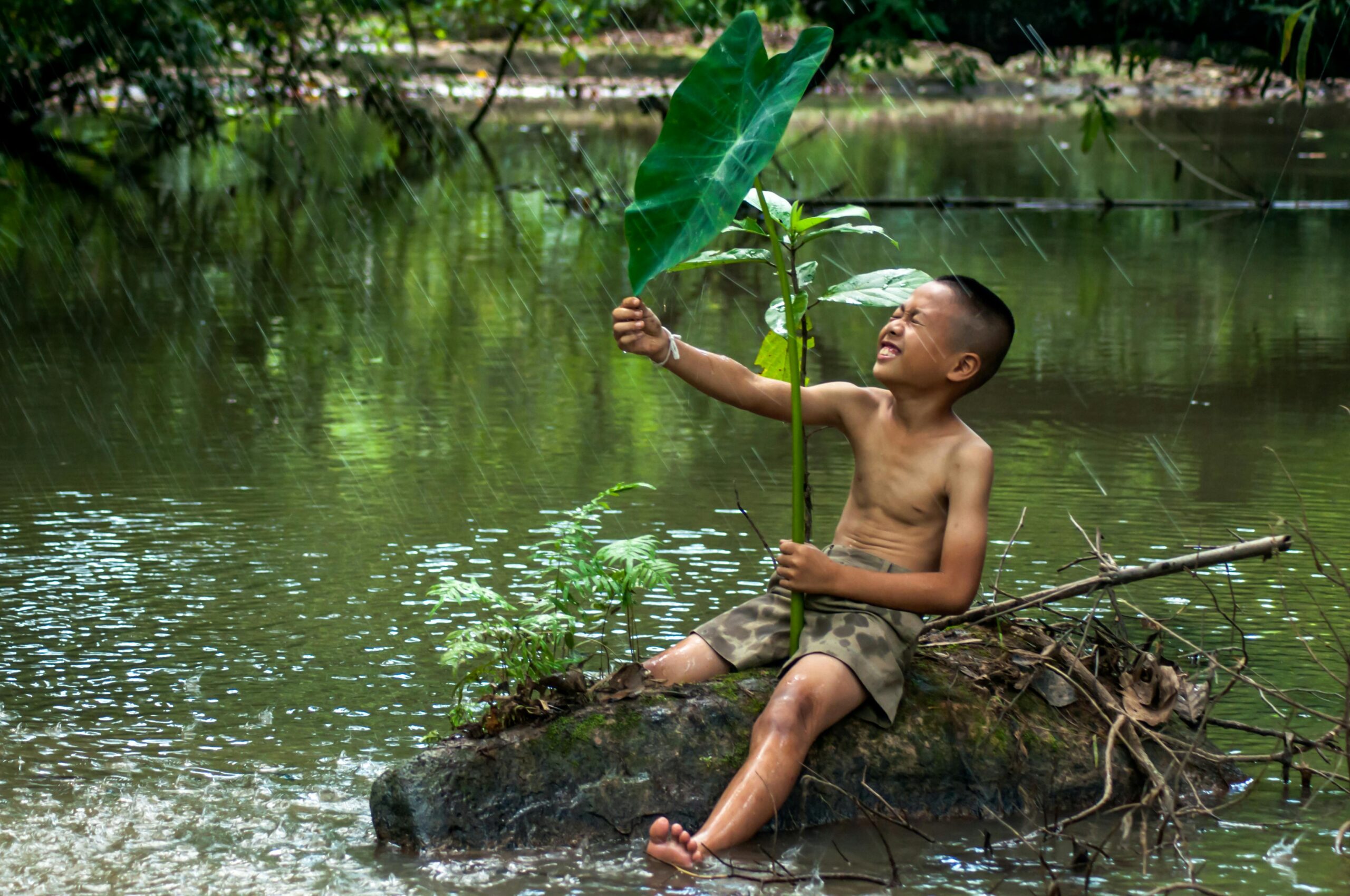
When planning a trip to Thailand, most travellers aim for the sunny and dry months between November and February. But what about the so-called “rainy season”? From June to October, Thailand sees frequent rainfall and fewer crowds—and that’s not necessarily a bad thing.
If you’re wondering whether travelling to Thailand during the monsoon season is worth it, this guide will walk you through the pros and cons, along with travel tips to make the most of your experience.

🌧 What to Expect During Thailand’s Rainy Season
Thailand’s rainy season is part of its tropical monsoon climate. This doesn’t mean constant downpours all day long. In most regions, you’ll experience short, intense showers—usually in the late afternoon or evening.
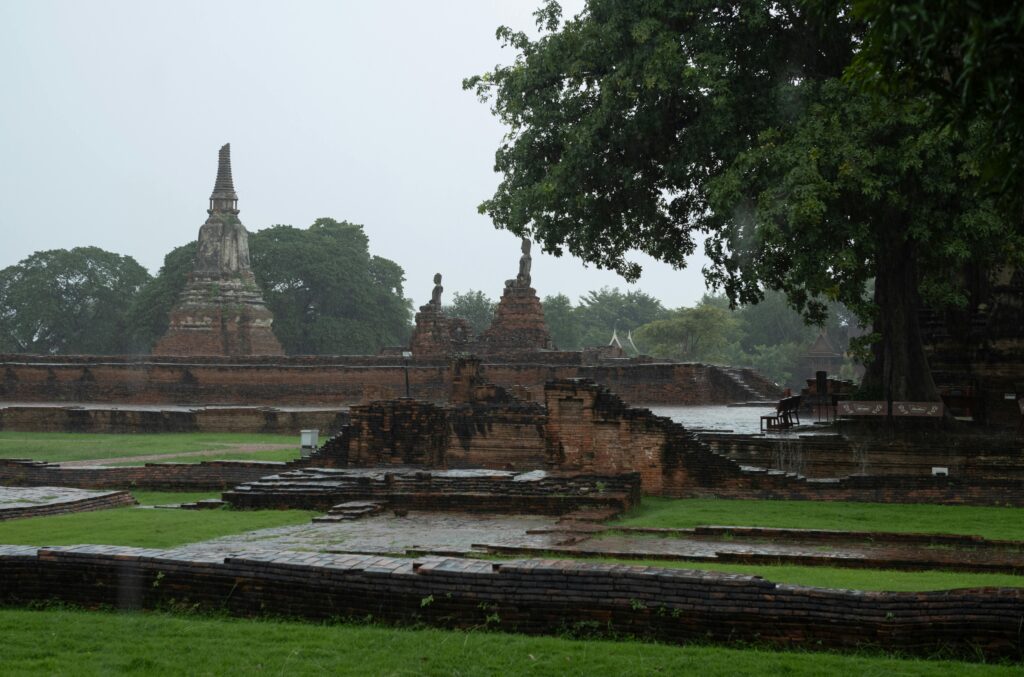
However, weather patterns can vary depending on where you go:
- Andaman Coast (Phuket, Krabi, Koh Lanta) sees heavier rain from May to October.
- Gulf of Thailand (Koh Samui, Koh Phangan, Koh Tao) has lighter rains in mid-year but heavier showers from October to December.
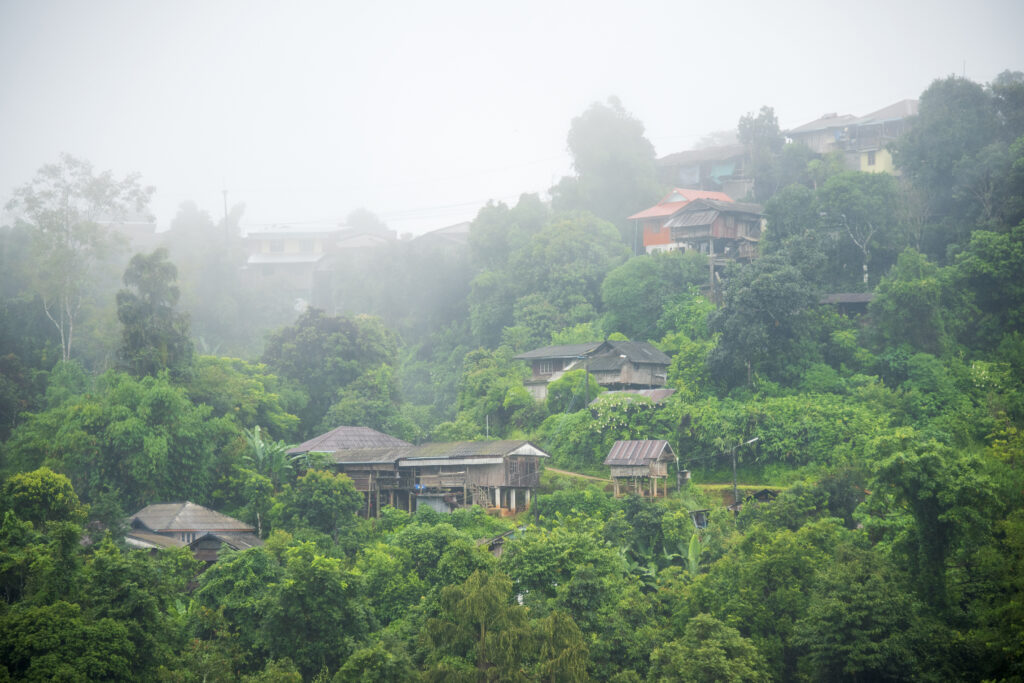
- Northern Thailand (Chiang Mai, Chiang Rai) experiences mistier rains ideal for mountain escapes.
- Central Thailand (Bangkok, Ayutthaya, Kanchanaburi) sees stormy weather from August to October.
✅ Pros of Travelling to Thailand During the Rainy Season
1. Fewer Tourists, More Tranquillity
If you prefer less crowded beaches, temples, and attractions, the rainy season is the time to visit Thailand. You’ll be able to explore popular attractions at your own pace and connect more authentically with local culture.
2. Lower Prices on Flights and Hotels
Off-season means better deals. Flights, accommodation, and even some tours are significantly cheaper compared to the peak season. This is perfect for budget-conscious or long-stay travellers.
3. Lush Green Landscapes
Rain brings life to Thailand’s jungles, rice fields, and waterfalls. National parks like Khao Yai, Doi Inthanon, or Erawan are at their most vibrant during this time, ideal for nature lovers and photographers.

❌ Cons of Travelling to Thailand During the Rainy Season
1. Weather Disruptions
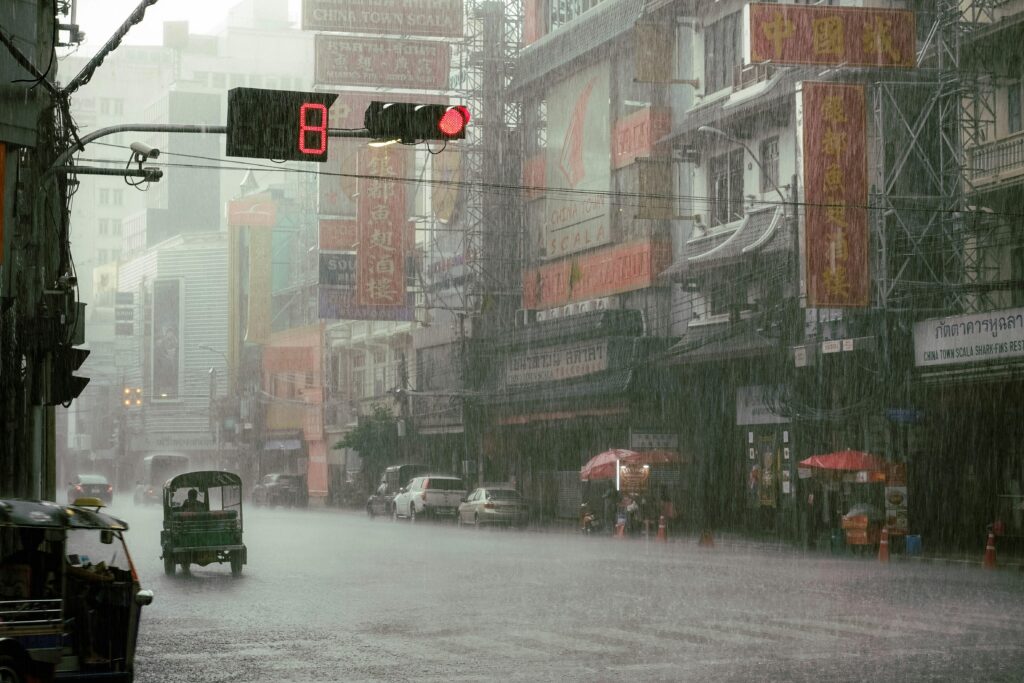
Rain can affect outdoor activities and cause delays in transportation, especially ferries and island transfers. Flooding can happen in low-lying areas, particularly in Bangkok or parts of the south.
2. Limited Beach Time
If sunbathing is a must, the rain might be a downer. Stormy seas can also make some areas unsafe for swimming, snorkelling, scuba diving especially in the Andaman Coast.
3. Seasonal Closure of Some National Parks
It’s a normal practice that Thailand’s National Park Office closes several attractions for a certain period every year, depending on weather and park conditions. Dates are varied, and the closure is often due to extreme weather, especially in the rainy months, that may create unsafe conditions e.g. Mu Koh Similan usually closes from mid May till end October, Kaeng Krachan National Park usually closes from August till October. Check Facebook page of the National Park Office for updates.
4. Leeches and Mud in Trekking Areas
In jungle trekking destinations like Chiang Mai, Chiang Rai, Khao Yai or Kanchanaburi, muddy trails and leeches are common during the rainy season. With the right gear, though, these can be managed. However, some trails and caves might be closed short-noticed for safety reasons.
5. Mosquitoes and Humidity
Expect higher humidity and more mosquitoes, particularly in forested areas. Pack repellent and breathable clothing to stay comfortable.
🌿 Travel Tips for Rainy Season in Thailand
- Pack smart: Bring a light rain jacket, quick-dry clothes, waterproof shoes or sandals, and a dry bag for phones, cameras and other electronic devices.
- Plan with flexibility: Embrace the slow travel mindset—rainy days are perfect for cooking classes, spa days, meditation, yoga, museum visits, and café hopping.
- Respect local conditions: Avoid risky activities during storms, follow local safety advice, and support local businesses who appreciate off-season visitors.
Final Thoughts: Is It Worth Travelling to Thailand in the Rainy Season?
It depends. Yes—if you’re flexible and looking for a more intimate, budget-friendly Thai experience. While the weather isn’t picture-perfect all day every day and some outdoor activities might be limited, there are plenty of indoor activities to do.
Rain or shine, Thailand offers rich culture, natural beauty, and warm hospitality all year round.