When I was growing up in Bangkok, my parents would take my sisters and me on a long road trip once or twice a year. I still remember the excitement of travelling from Bangkok to Songkhla in southern Thailand, to Chiang Mai in the north, and to Ubon Ratchathani in the northeast. Looking back, I have no idea how my parents estimated driving times, navigated unfamiliar roads, or booked accommodation without smartphones, GPS or online maps.
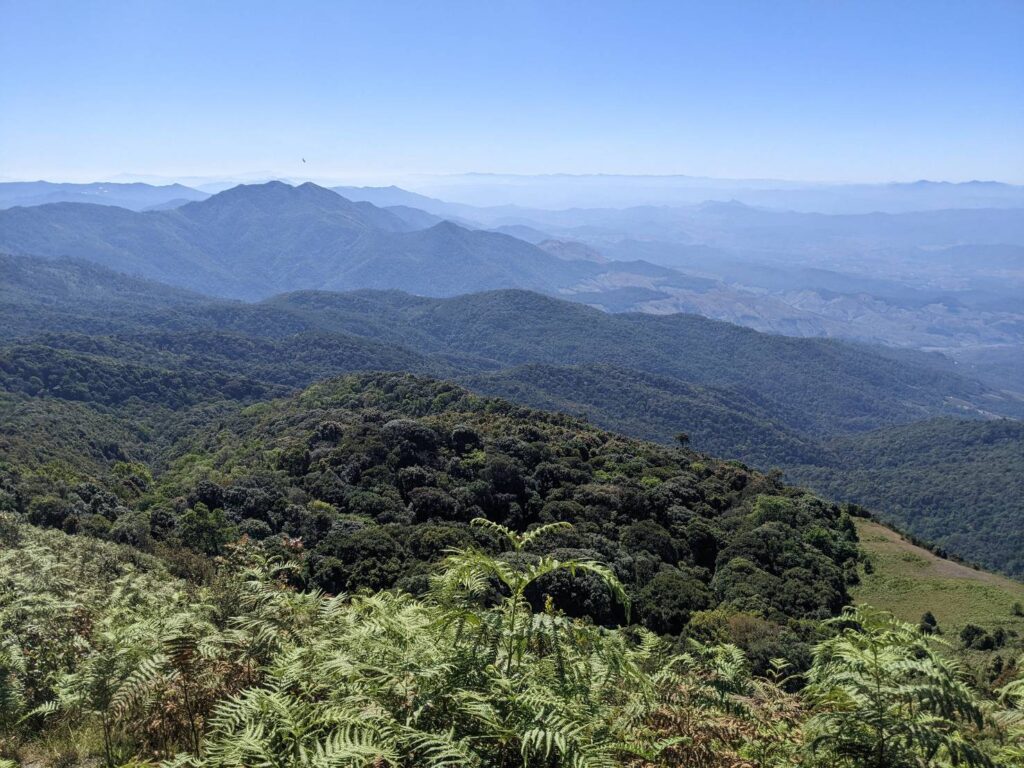
For me, those journeys were just as exciting as the destinations. I loved stopping at temples, wandering through local markets, and pulling over at scenic viewpoints to stretch our legs. Even shorter weekend escapes to Hua Hin or Pattaya felt like little adventures.
In my mid-twenties to mid-thirties, my travel style changed. I wanted to see more of the world, but travelling alone meant I wasn’t confident driving in unfamiliar countries. Instead, I discovered the joy of train travel, exploring the United Kingdom, Japan and much of Europe by rail. Travelling by train allowed me to slow down, admire the scenery and meet people along the way.
It wasn’t until I married and moved to Germany that road trips became part of my life again. My husband and I often spent weekends exploring different parts of Germany or driving across the border to Belgium and Denmark to visit our friends. These days whenever we travel to Germany to visit his father, we always find time for at least a few days’ road trip.
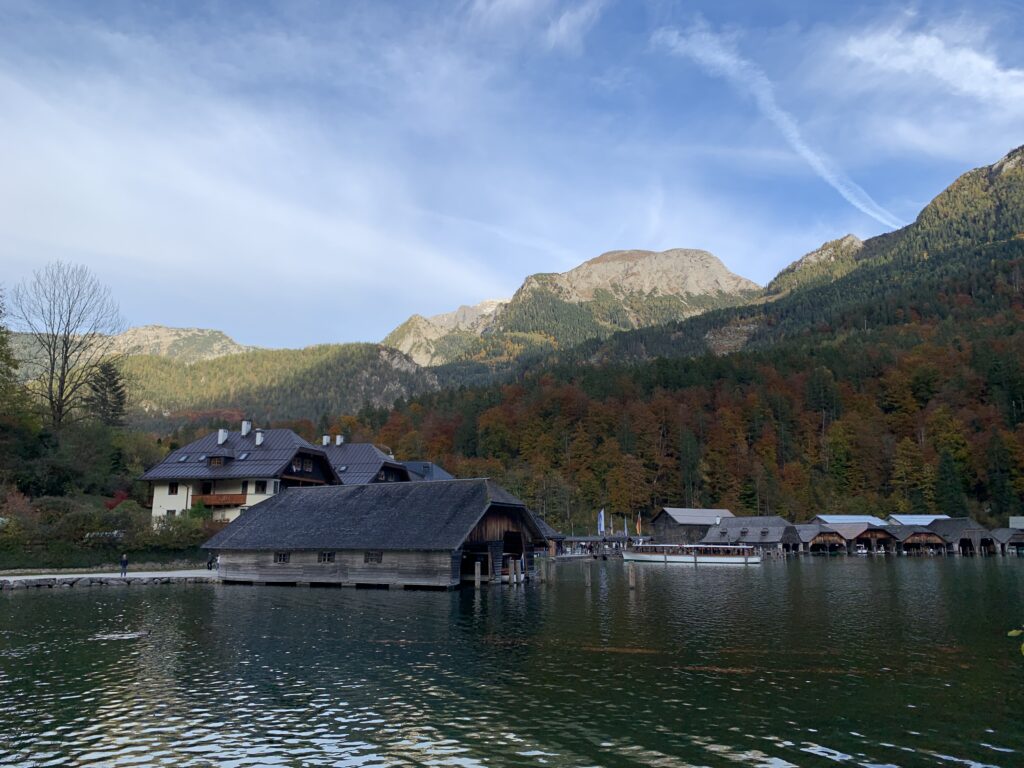
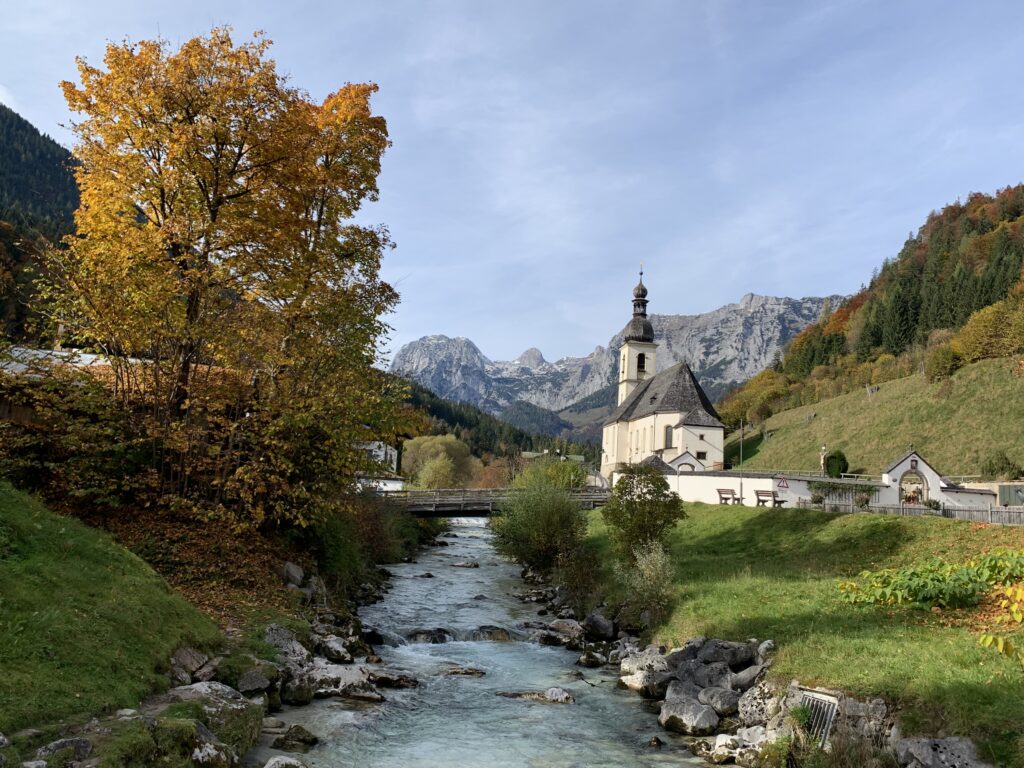
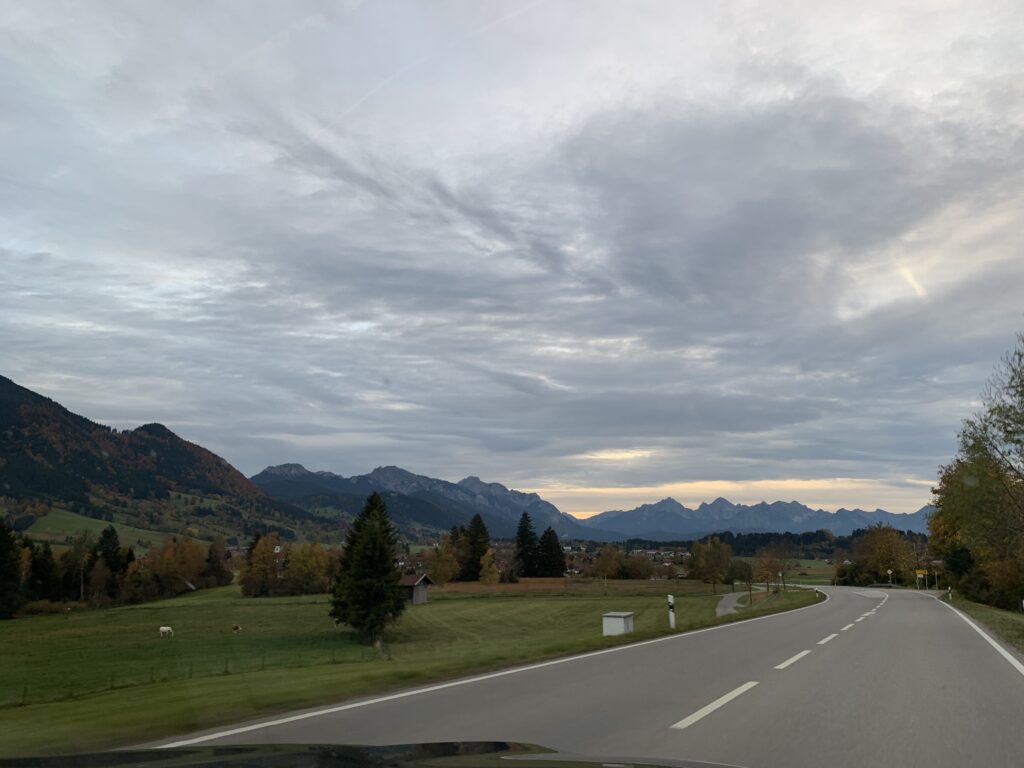
After relocating to Australia, road trips gradually became part of our lifestyle. Whether it’s the Australian love of the outdoors or simply getting older and appreciating a slower pace, we’ve become much more conscious of our physical and mental wellbeing. Almost every weekend, we drive somewhere, enjoy a bush or a coastal walk, have a nice meal, explore a little more, then drive home feeling refreshed.
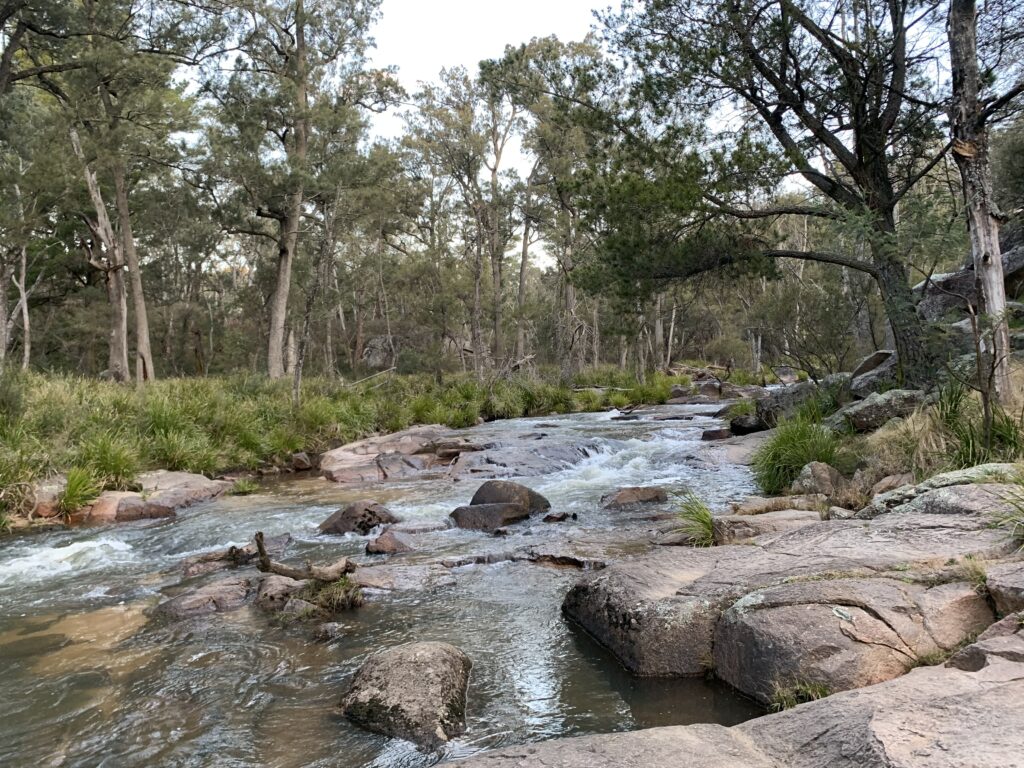
Europe and Australia are often considered ideal road trip destinations. Their roads are generally well maintained, clearly signposted and easy to navigate. Thailand, on the other hand, doesn’t always come to mind when people think about self-drive holidays, especially if they don’t speak or read Thai.
The reality is quite different.
Thailand offers some wonderful road trips, allowing travellers to experience its rich culture, spectacular landscapes and welcoming local communities at their own pace. While driving in Bangkok can feel busy and overwhelming, most major highways outside the capital are in good condition and well signposted in both Thai and English. Renting a car gives you the freedom to explore places that many visitors never get to see. Internet coverage in Thailand is generally very good so you can always check the online map.
Popular Road Trip Routes in Thailand
Bangkok to Chiang Mai
Distance: Approximately 700 km
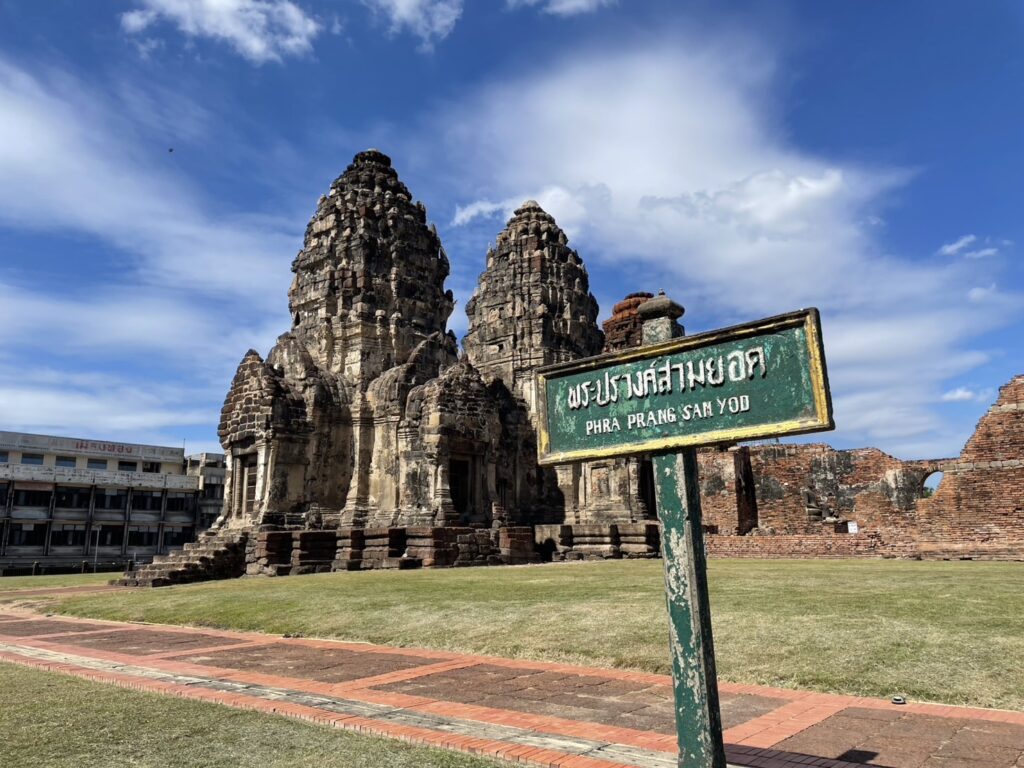
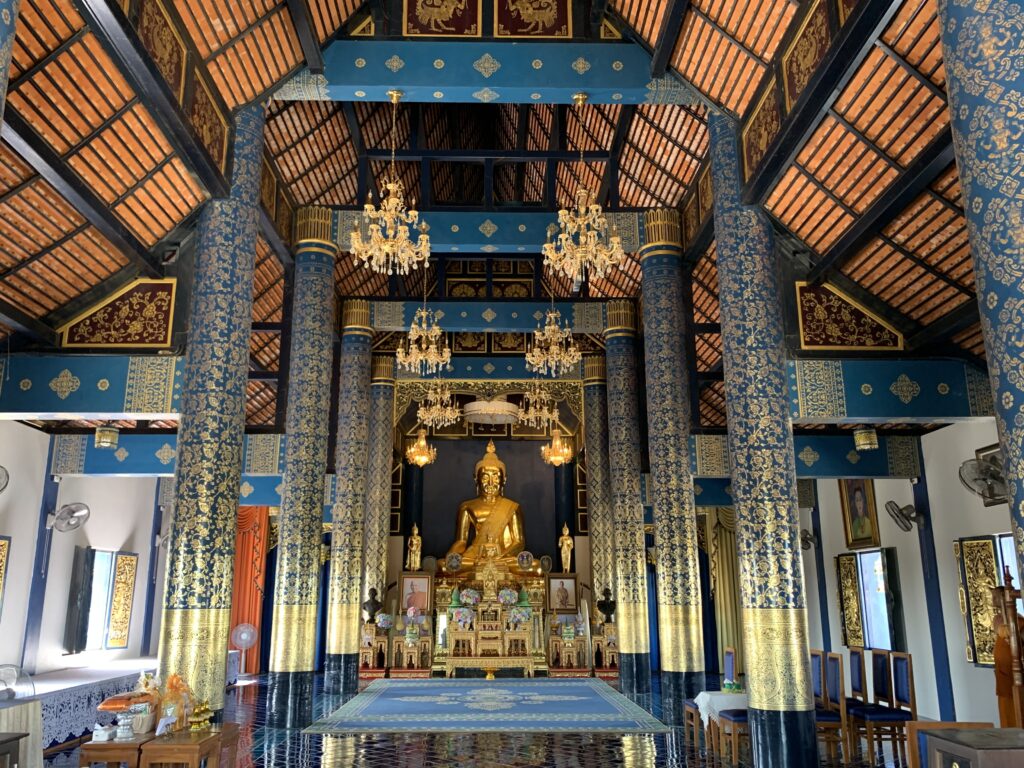
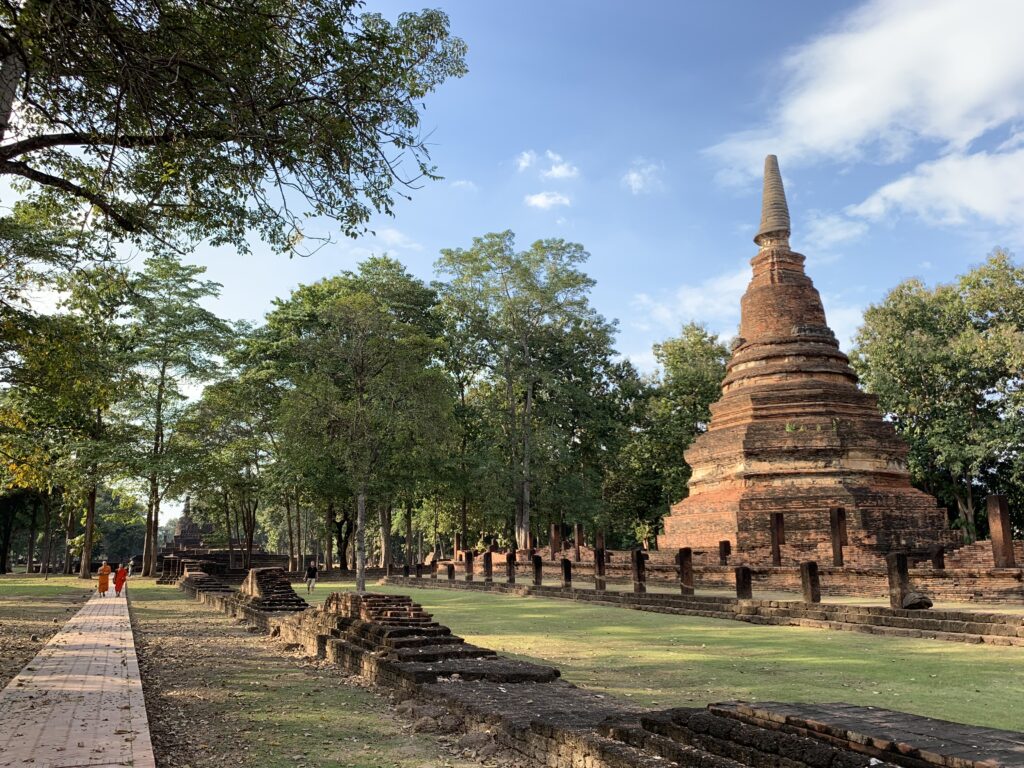
One of Thailand’s classic road trips, this journey connects the country’s bustling capital with the cultural heart of northern Thailand. Rather than driving straight through, allow at least a few days to explore fascinating stops including Ayutthaya, Lopburi, Kamphaeng Phet, Phitsanulok, Sukhothai, Lampang and Lamphun. Along the way you’ll discover ancient temples, UNESCO World Heritage sites, vibrant local markets, national parks and charming provincial towns before arriving in Chiang Mai.
Chiang Mai – Mae Hong Son Loop
Distance: Approximately 600 km
Often described as Thailand’s most scenic drive, the Mae Hong Son Loop begins and ends in Chiang Mai and winds through more than 1,800 mountain curves. The route passes waterfalls, caves, hot springs, hill tribe villages and breathtaking mountain viewpoints.
It’s one of the country’s most rewarding drives, but if you’re prone to motion sickness—like I am—you may want to bring some medication before tackling all those bends!
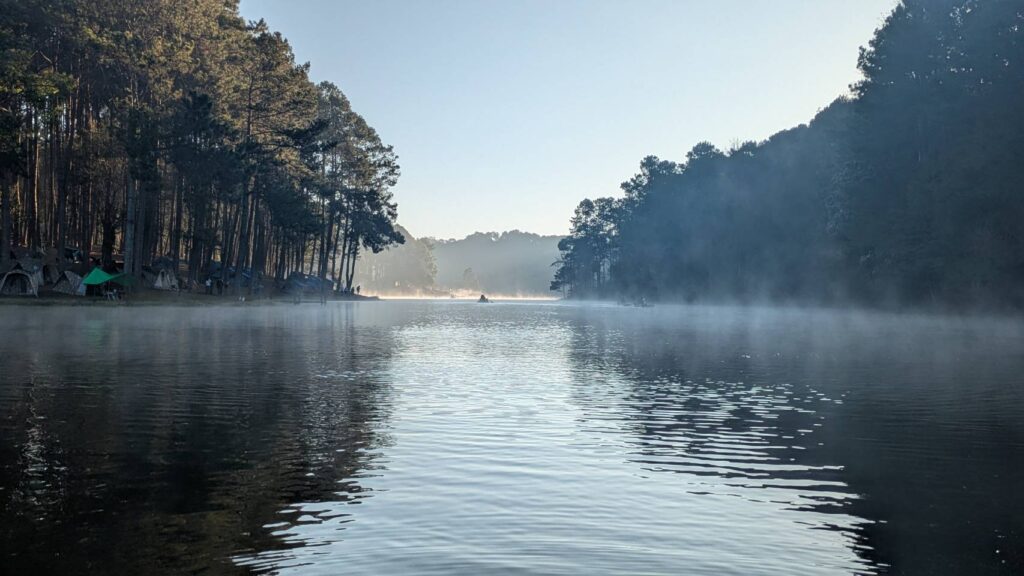
Bangkok to Kanchanaburi
Distance: Approximately 150 km
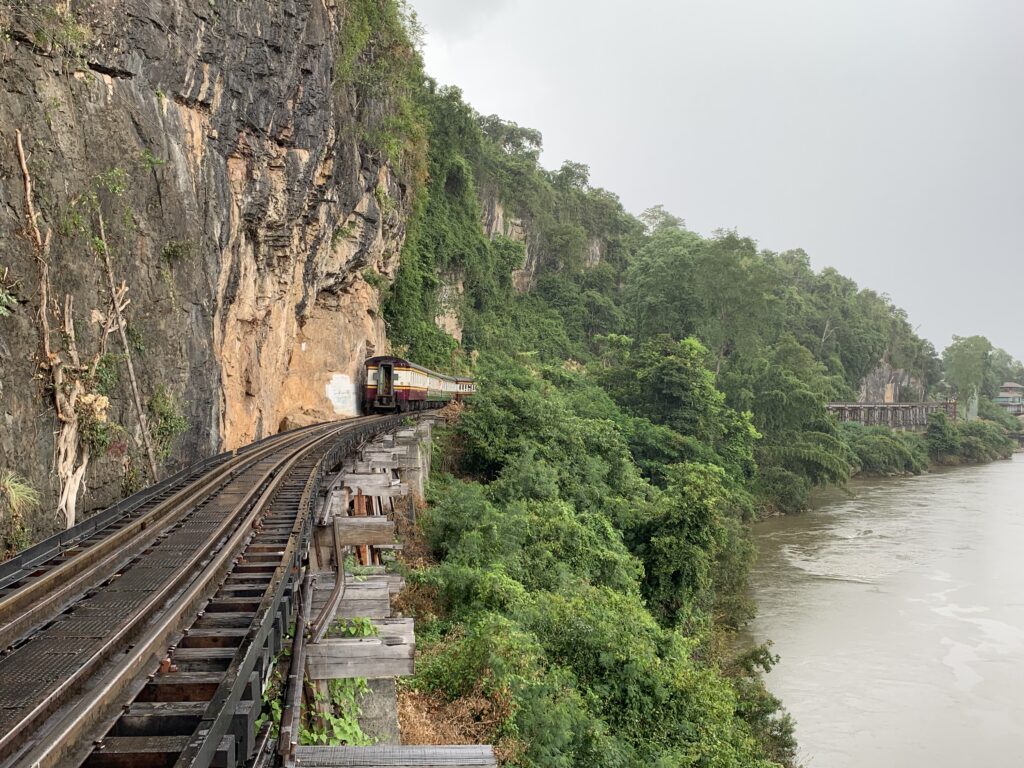
This short but rewarding road trip is perfect for a long weekend. Kanchanaburi is best known for the Bridge over the River Kwai and the historic Death Railway, but the province offers much more than its wartime history.
The new M81 (Bang Yai–Kanchanaburi Motorway), opened in late 2025, provides a faster and more comfortable drive from Bangkok’s western suburbs to Kanchanaburi, cutting travel time considerably and avoiding much of the traffic on the older routes. In saying that, some people like the old routes which pass Nakhon Pathom so they can stop along the way.
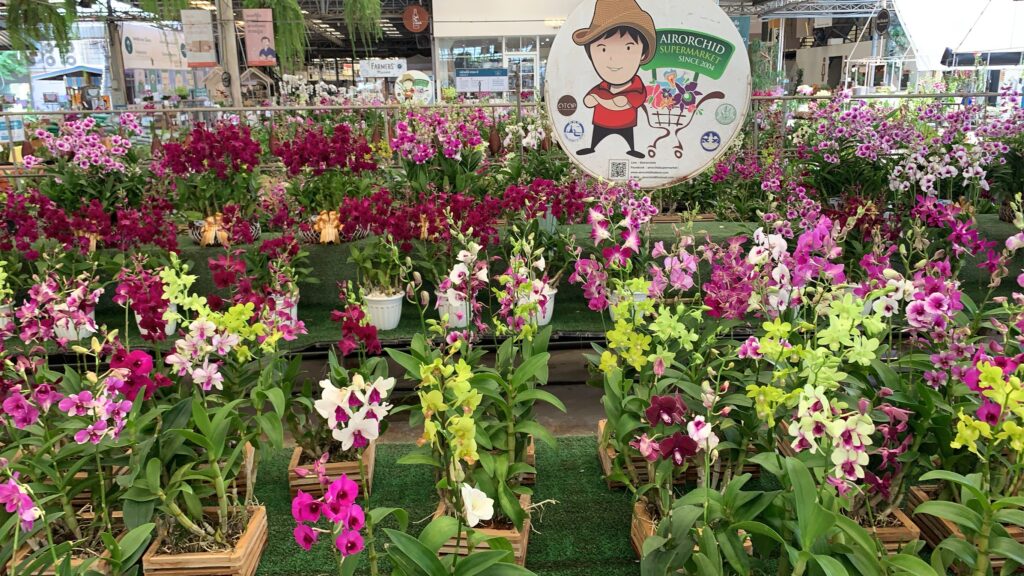
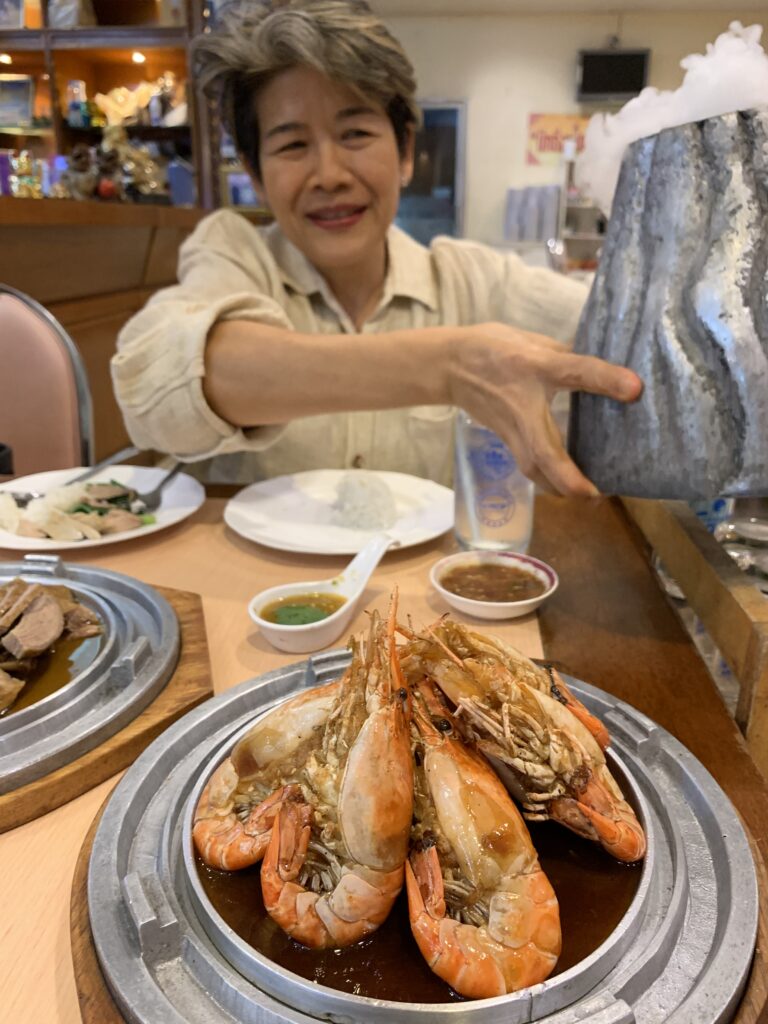
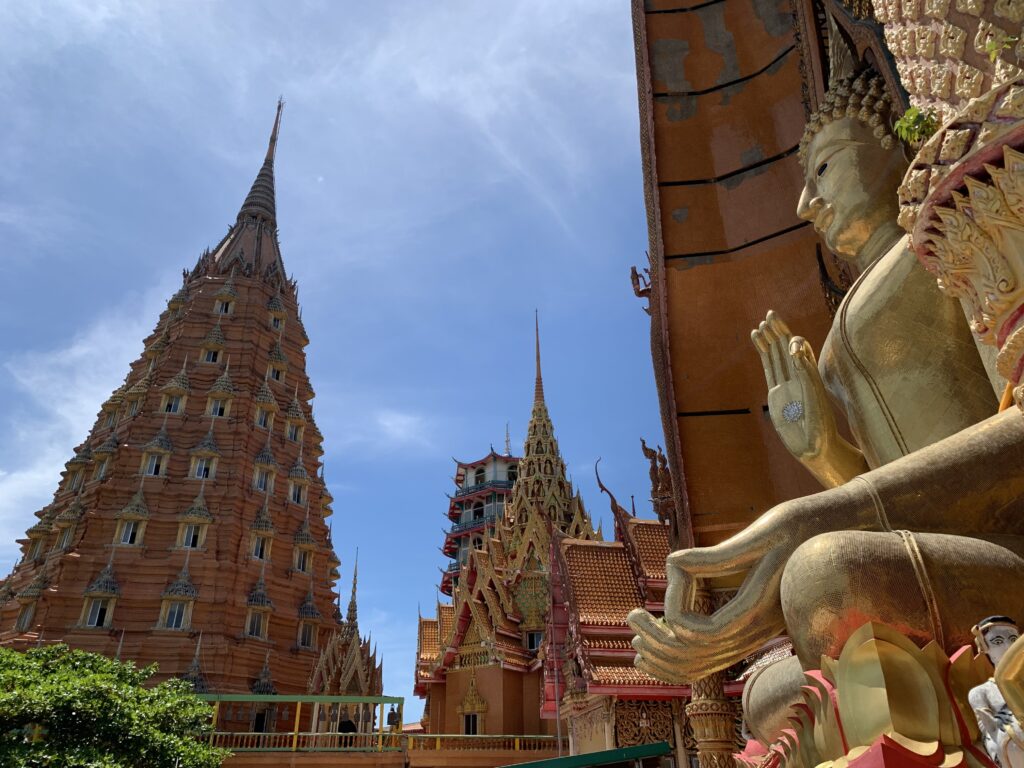
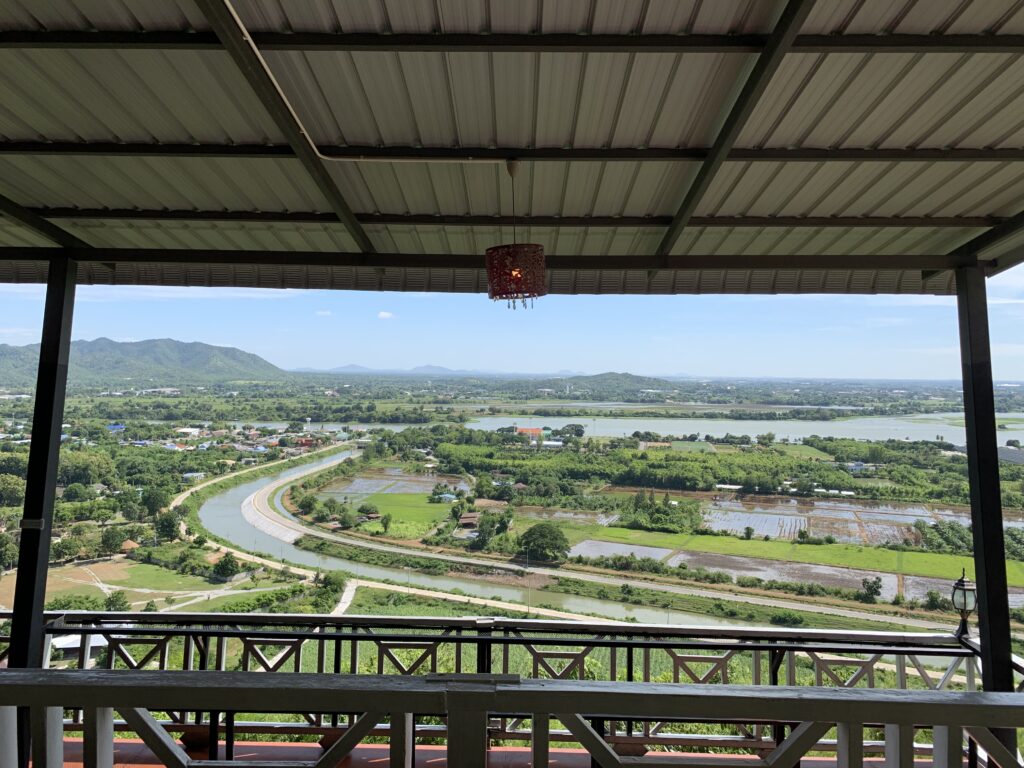
Besides WWII related sites, Kanchanaburi is home to many national parks. Make sure to spend a few days visiting the waterfalls, exploring caves, visiting the sacred Wat Tham Suea, relaxing beside the River Kwai, or staying in a floating raft house. The route also passes through peaceful countryside and traditional farming communities, making it an easy introduction to self-driving in Thailand. If you have more time, you should drive to Sangkhla Buri district, a very peaceful border town, home to Wat Wang Wiwekaram and the Mon Bridge.
Bangkok to Trat via Pattaya and Chanthaburi
Distance: Approximately 400 km
If you enjoy coastal scenery, seafood and a blend of lively beach towns of Bang Saen and Pattaya vs slower-paced towns of Rayong and Chanthaburi, this eastern route is an excellent choice.
Many travellers stop in Pattaya, but I’d recommend continuing to Chanthaburi, a charming riverside town known for its beautiful old quarter, Gothic cathedral, gem market and delicious tropical fruit. Continue east to Trat, the gateway to the islands of Koh Chang, Koh Mak and Koh Kood. Even if you’re not heading to the islands, Trat Province offers peaceful beaches, mangrove forests and authentic local experiences that many international visitors overlook.
Bangkok to Isan (Northeastern Thailand)
Distance: Varies depending on your destination
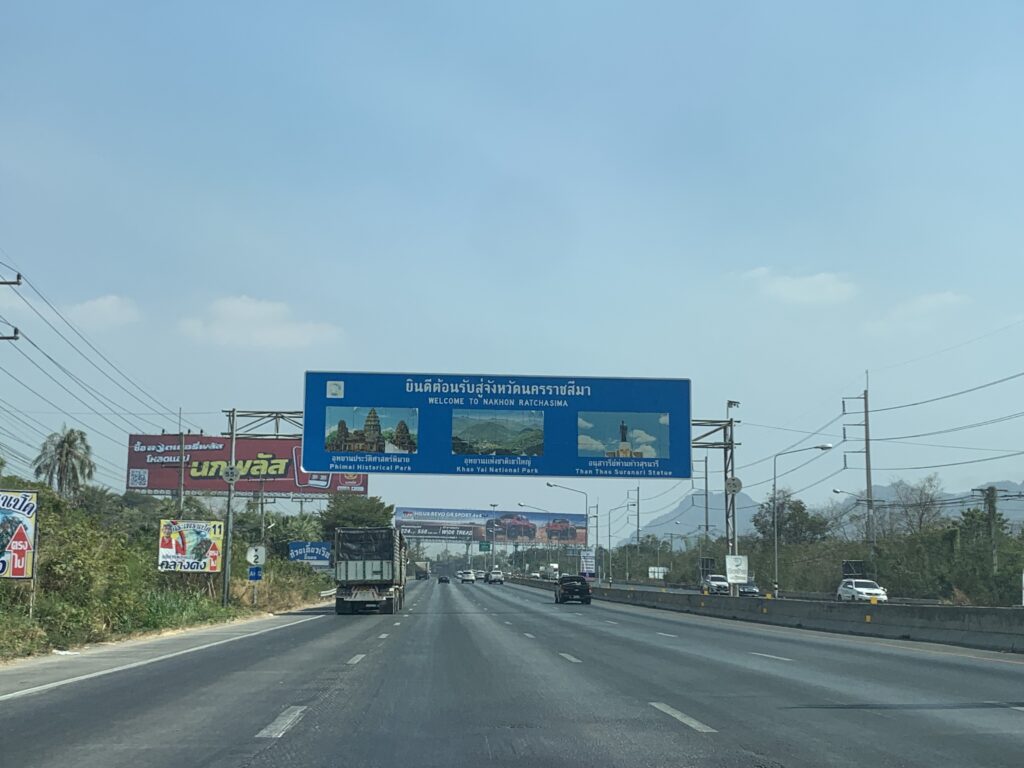
Thailand’s northeastern region, known as Isan, remains one of the country’s most authentic and least-visited areas by international tourists. A road trip here offers a completely different side of Thailand, shaped by ancient Khmer heritage, distinctive cuisine and warm local hospitality.
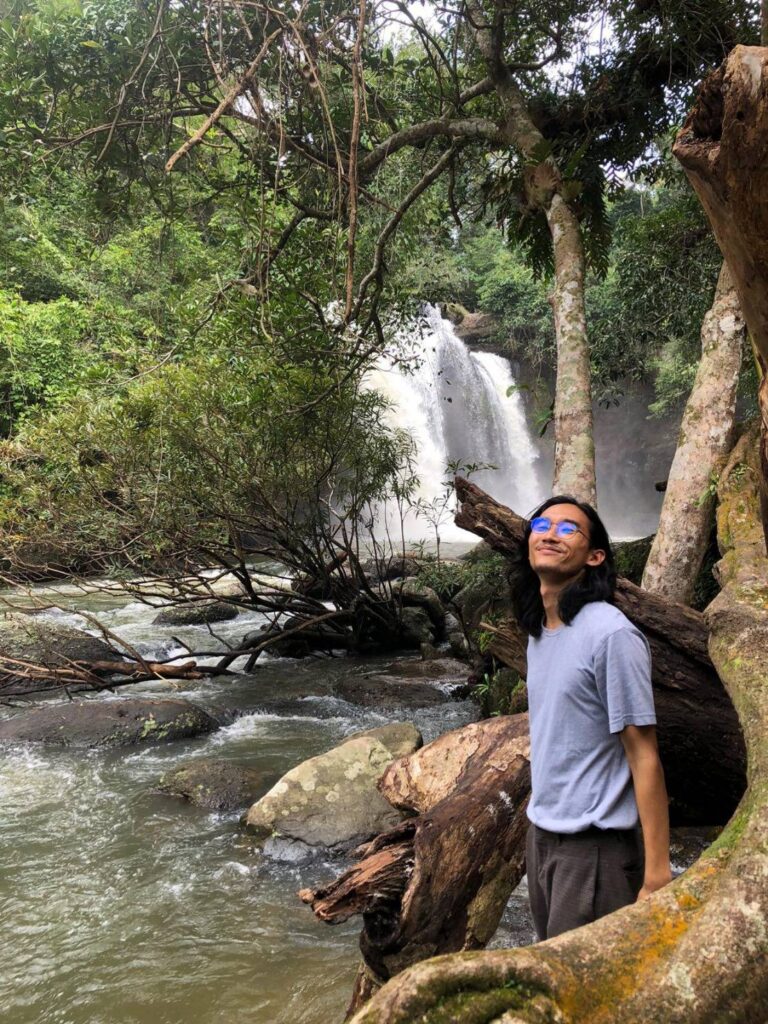
Depending on your route, you can visit Pak Chong, Khao Yai National Park, the Khmer temples of Phimai Historical Park and Phanom Rung Historical Park, the pottery village of Dan Kwian, the Mekong River towns of Nong Khai and Nakhon Phanom, or continue to Ubon Ratchathani to explore Pha Taem National Park and the spectacular Sam Phan Bok, often called Thailand’s “Grand Canyon.”
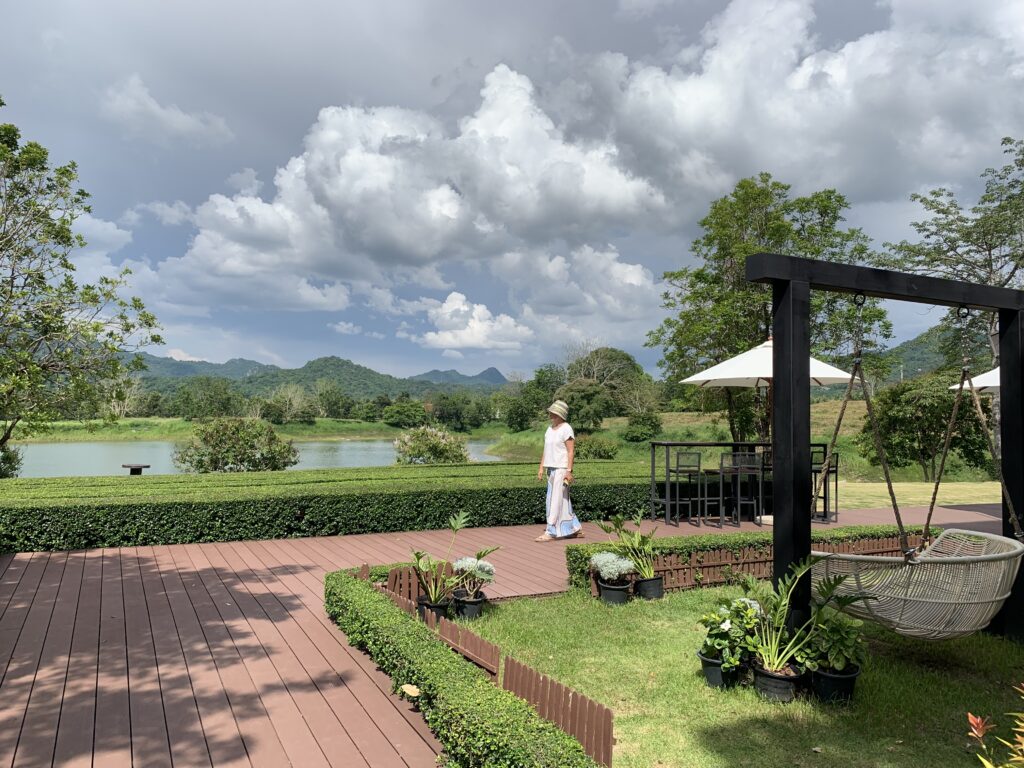
Bangkok to Phuket
Distance: Approximately 840 km
Rather than flying directly to Phuket, consider turning the journey into a memorable road trip through southern Thailand.
Popular stops include Hua Hin, Pranburi, Chumphon, Surat Thani, Khao Sok National Park and Phang Nga. Along the way you’ll encounter quiet beaches, limestone mountains, national parks, roadside fruit stalls, fishing villages and some of Thailand’s best seafood.
If you have extra time, make detours to places like Khao Lak or Krabi before arriving in Phuket. This route is ideal for travellers who enjoy combining nature, local culture and coastal scenery in one unforgettable journey.
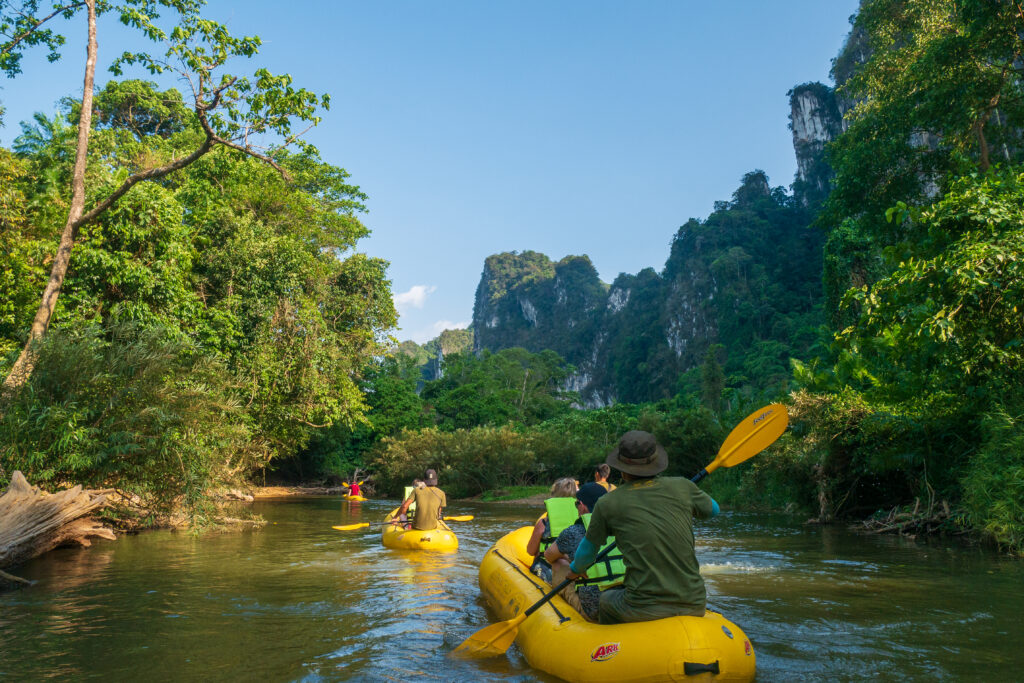
Slow Down and Enjoy the Journey
Road trips aren’t just about getting from one destination to another—they’re about discovering the places in between.
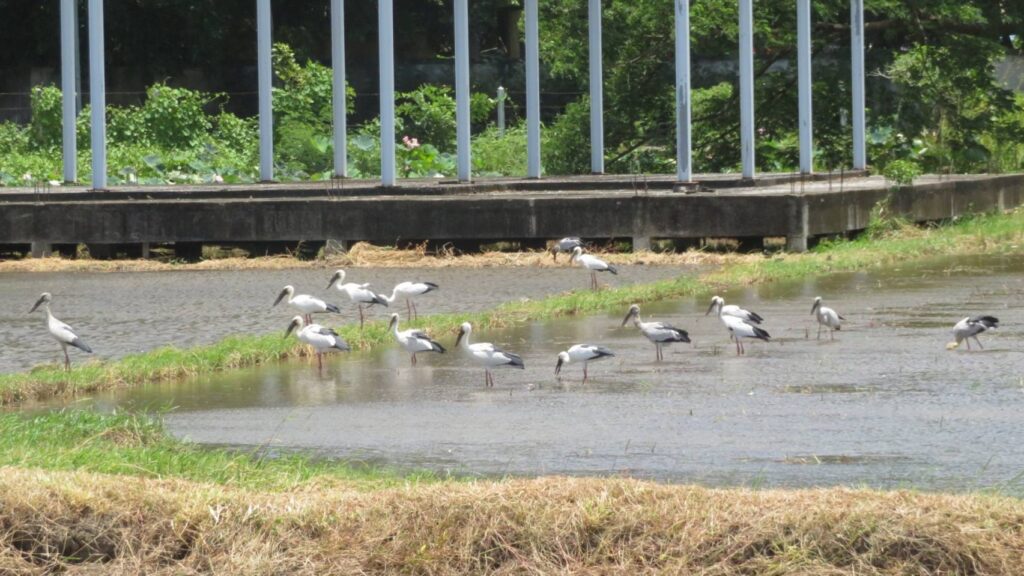
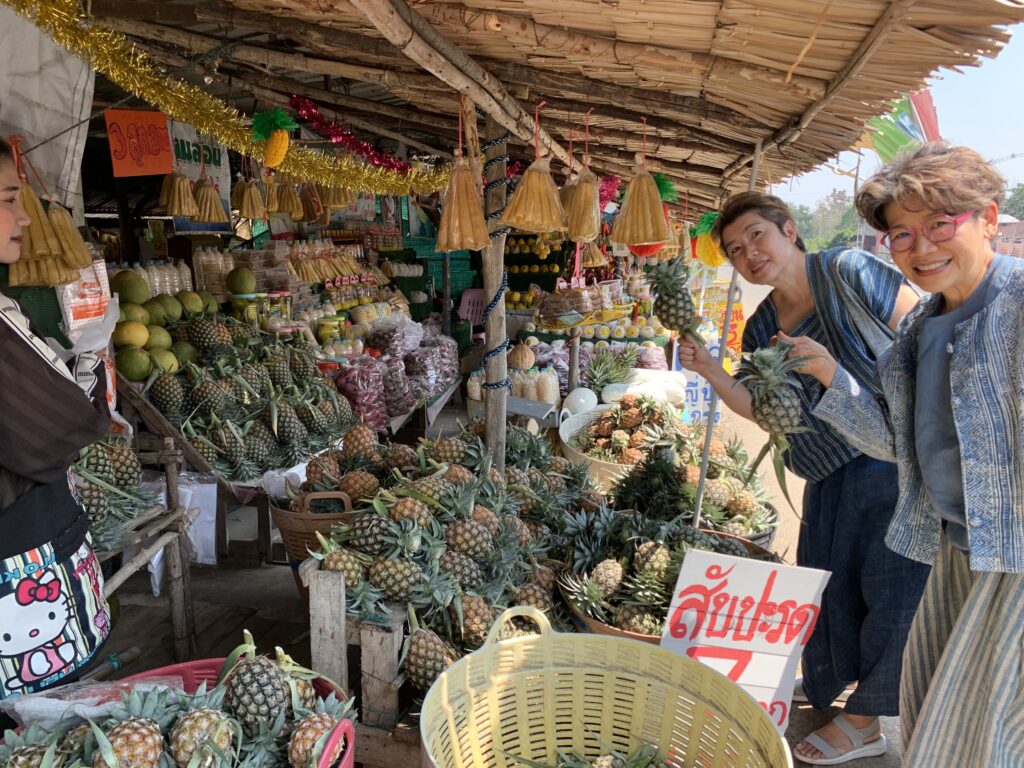
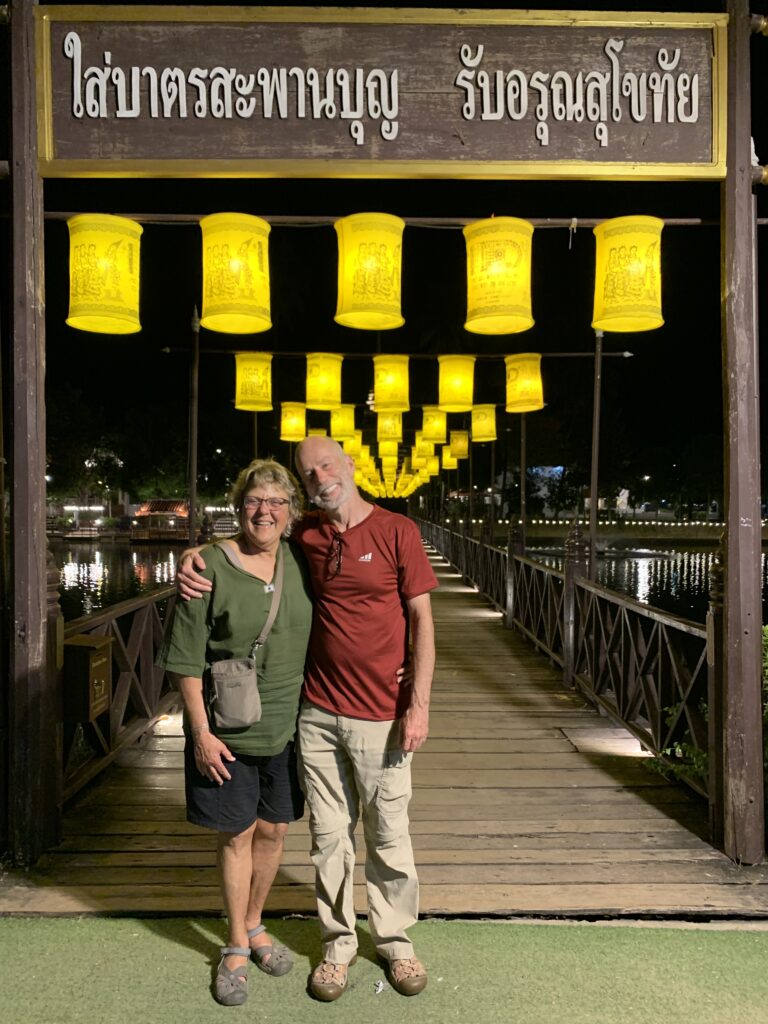
Some of my favourite travel memories aren’t famous landmarks at all. They’re the roadside noodle shops we stumbled across by chance, colourful local markets where we stopped for fresh fruit, quiet temples with hardly another visitor, unexpected viewpoints that weren’t marked on any itinerary and new friends we’ve met at a roadside night market in Sukhothai.
That’s the beauty of travelling by road. You have the freedom to stop whenever something catches your eye, change your plans, and experience Thailand beyond the usual tourist attractions.
Sometimes, the journey really is the destination.
Notes: To drive legally in Thailand, foreign drivers must possess either an International Driving Permit (IDP) or a Thai driver’s license for the type of vehicle you are using. Road accidents are common, mostly involving motorcycles. Be extra careful during holidays, such as Songkran (Thai New Year).